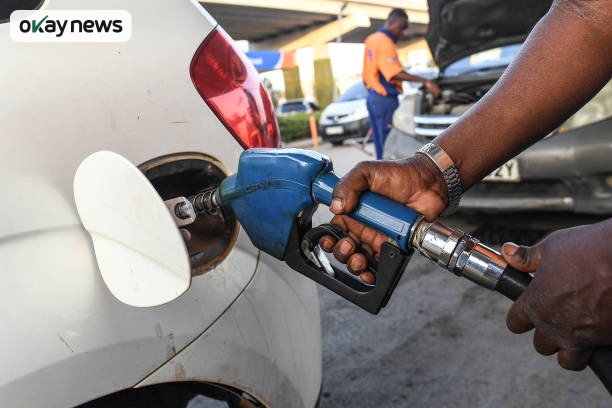
Lagos, Nigeria – Oil marketers have revealed that most filling stations that used to sell 10,000 litres of petrol daily are now selling about 1,000 litres, sometimes as low as 300 litres per day, as sharp pump price increases alter consumer behaviour.
Okay News reports that the surge in prices has pushed petrol from an average of N839 per litre to over N1,350 (approximately $0.86), while diesel has risen from N1,340 to above N1,750 per litre. Many motorists are buying just four or five litres of fuel, and some are parking luxury vehicles in favour of cheaper alternatives like tricycles.
Chinedu Ukadike, National Publicity Secretary of IPMAN, stated that most stations that could sell up to 10,000 litres daily are now selling 1,000, 2,000, or even 300 litres. He added that people’s behavioural attitudes have changed, with many switching to economic cars, electric vehicles, or other means of transportation.
Oil marketer Alhaji Isa Muhammad noted that the situation has led to higher working capital requirements and tighter margins due to price volatility and reduced consumer purchasing power. He said operators are adapting by improving operational efficiency, tightening cost controls, and diversifying into related energy products.
Industry operators argue that the absence of fully functional government-owned refineries has reduced the ability to moderate domestic fuel prices. If NNPC refineries were operational, they could provide a benchmark for pricing and introduce market stability.
The surge in petrol prices is part of a broader energy cost increase. Aviation fuel has surged above N2,000 per litre, more than double pre-conflict levels, which could lead to higher airfares. The ongoing Middle East conflict has pushed global crude oil prices above $117 per barrel, directly reshaping consumer behaviour and business operations in Nigeria’s energy sector.
This petrol demand decline highlights the growing challenge of affordability for households and businesses.