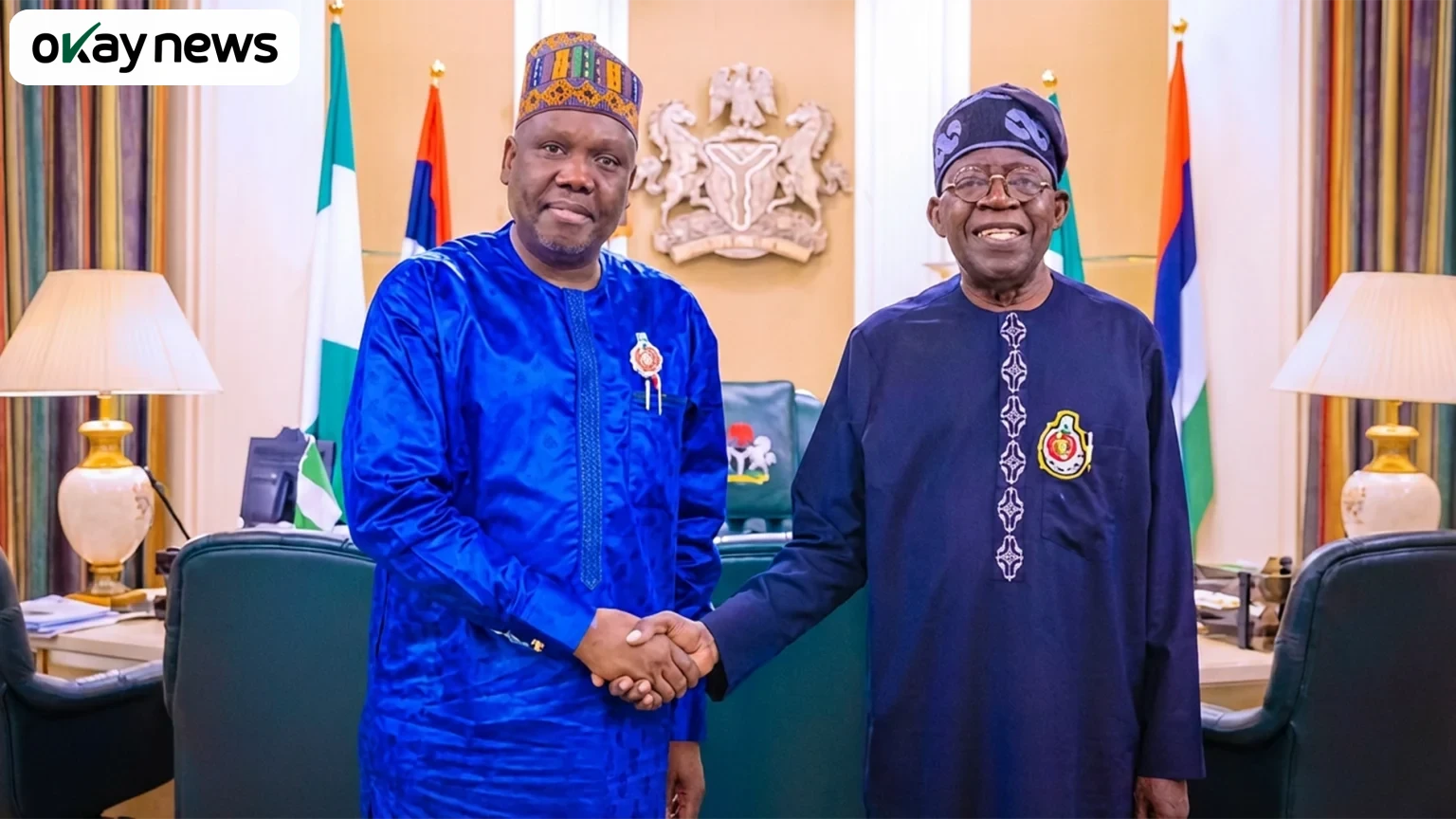
ABUJA, Nigeria — The Special Adviser to the President of Nigeria on Policy Communication and Media, Daniel Bwala, has formally denied ever labeling President Bola Tinubu a drug lord. This clarification follows persistent social media reports suggesting that the presidential aide had previously insulted the head of state during his time as a political opponent.
Context of the Controversy
Daniel Bwala formerly served as the official spokesperson for Atiku Abubakar, the presidential candidate of the People’s Democratic Party (PDP) during the 2023 general elections. In that role, Bwala was a frequent critic of the ruling party. However, he recently joined the administration of the federal government of Nigeria under President Bola Tinubu.
Speaking during a television interview on Monday, April 6, 2026, in Abuja, the capital of Nigeria, Bwala stated that the allegations were based on misrepresentations. He challenged journalists and the public to produce any visual or audio evidence to support the claims.
“I have never in my life addressed Bola Tinubu as a drug lord. In fact, I have never believed in it,” Bwala stated during the interview with News Central. He added, “If you have it here, we can shut the interview and you produce it.”
Clarification on Policy Remarks
Bwala also addressed a second rumor involving a statement that President Tinubu could not fix Nigeria even if he stayed in office for 30 years. He explained that these words were taken out of context from an interview conducted on Monday, December 25, 2023.
The aide explained that his original comments were a technical analysis of governance rather than a personal attack. He told the interviewer, “I said, where a policy is fundamentally flawed, that 30 years will not correct it.” He insisted that his remarks were strictly about the effectiveness of specific economic policies and not the duration of the president’s leadership.
Media Ethics and Misinformation
Okay News reports that Bwala used the opportunity to criticize the current state of Nigerian journalism. He argued that traditional media houses are increasingly adopting unverified social media narratives without proper fact-checking.
Bwala compared professional journalism to academic research, noting that reporters should always consult the original source before publishing. He suggested that the quest for revenue and social media engagement has led some media practitioners to prioritize viral content over factual accuracy.