


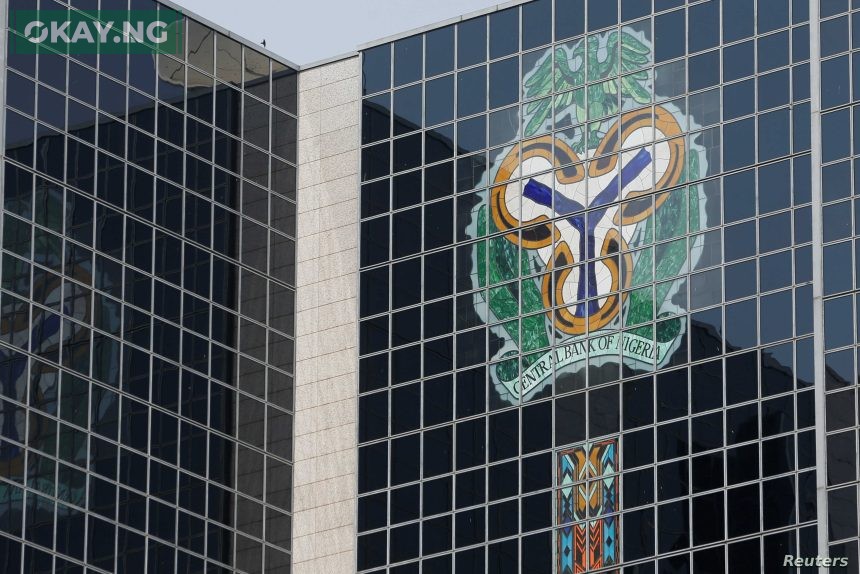
Private sector credit in Nigeria climbed to ₦74.63 trillion in November 2025, marking an early recovery in lending following the Central Bank of Nigeria (CBN)’s September policy rate reduction.
Okay News reports that the figure represents a ₦220 billion month-on-month increase from ₦74.41 trillion in October, according to the latest CBN data.
The uptick signals stabilising credit flows to businesses and households after prolonged tight monetary conditions.
Year-on-year, however, private sector credit declined from ₦75.96 trillion in November 2024, reflecting the lingering impact of restrictive policies throughout much of 2025.
The rebound began after the Monetary Policy Committee cut the Monetary Policy Rate by 50 basis points to 27 per cent in September.
In November, the MPC held the rate steady but adjusted the interest rate corridor to discourage banks from parking funds at the CBN and incentivise real-economy lending.
Earlier in 2025, private sector credit contracted steadily from ₦77.38 trillion in January to a low of ₦72.53 trillion in September amid high rates and cautious banking practices.
The subsequent recovery in October and November indicates growing lender and borrower confidence.
Total domestic credit, encompassing government and private sector lending, rose to ₦100.98 trillion in November from ₦99.20 trillion in October.
Yet it remained significantly below ₦115.58 trillion recorded in November 2024, underscoring the year’s overall credit slowdown.
The modest monthly gains suggest lending conditions may gradually improve if inflation continues moderating and policy remains supportive.
Sustainability will hinge on future MPC actions, liquidity management, inflation trends, and broader economic momentum into 2026.

's September policy rate reduction.)