Abuja, Nigeria – Residents of the Federal Capital Territory have raised concerns over rising transport fares following the recent increase in the pump price of petrol across the country.
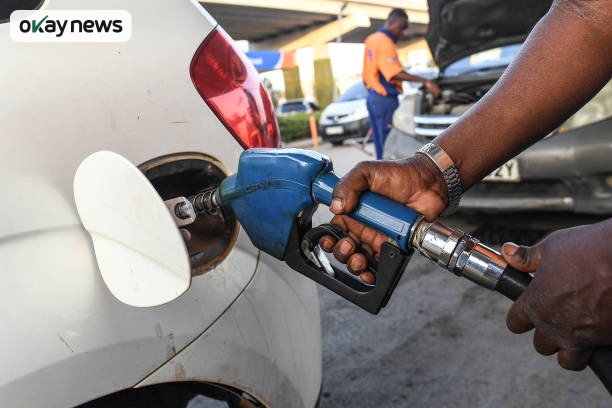
Okay News reports that petrol, which was previously sold between N835 and N875 per litre in the FCT, is now being sold between N1,200 and N1,350, triggering immediate adjustments by commercial vehicle operators.
Commuters say the sudden increase in fares could worsen the already high cost of living in Abuja, as transportation costs often affect the prices of other goods and services.
Mrs Grace Anyaoku, a civil servant who commutes from Nyanya to Utako, stated that she now pays N2,000 for her daily trip compared to N1,500 last week. Wahab Nasir, another passenger, said he paid N1,000 from Nyanya to Area 1 instead of the N700 he previously paid.
Commuters warned that the fare increases could place further pressure on household budgets as residents struggle with rising living expenses. Some expressed concern that higher petrol prices could trigger increases in the cost of food and other essential goods.
Mr Bashir Babandede noted that fares from Masaka to Garki rose from N800 to N1,200. Munir Abah reported that the fare from Life Camp to Mararaba increased from N1,300 to N1,500.
An Abuja-based economist, Dr Bashir Ishaku, stated that fuel price increases typically have a ripple effect across the economy, particularly on transportation and food supply chains. He noted that transportation costs are a major component of the price of goods in Nigeria, especially food transported from rural areas to urban markets.
Fuel price increases have historically triggered wider inflationary pressures in Nigeria. Rising petrol prices often lead to immediate fare adjustments by commercial drivers, which can eventually push up food prices as traders transfer logistics costs to consumers.