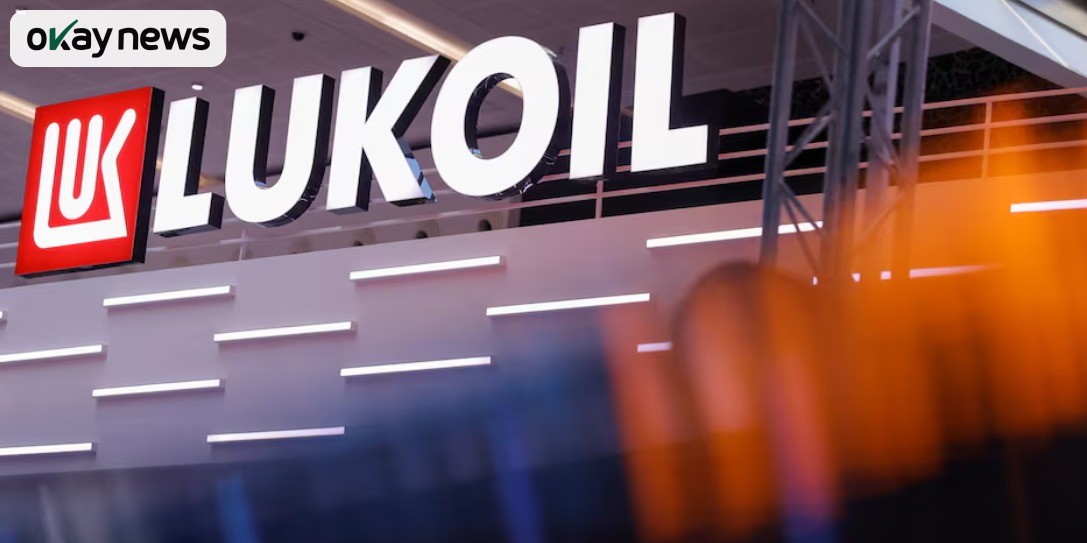
Russian oil giant Lukoil, which has been under United States sanctions, has announced an agreement to sell its international assets, including holdings in Nigeria, to the US investment firm, The Carlyle Group.
The deal covers assets in several countries as Lukoil seeks to navigate financial pressures from Western sanctions imposed over Russia’s war in Ukraine.
Lukoil, Russia’s second-largest oil producer, stated it signed an agreement with Carlyle for the sale of Lukoil International GmbH. The assets for sale include shares in oil fields and refineries in Iraq, Azerbaijan, Egypt, the United Arab Emirates, Nigeria, and Mexico. The deal notably excludes assets in Kazakhstan and is contingent upon approval from the US Treasury Department.
Okay News reports that the move follows the US decision in October 2025 to add Lukoil and state-run Rosneft to its sanctions blacklist, aiming to pressure Russia’s state finances. Companies that continue to work with these sanctioned entities risk secondary sanctions, which would cut off their access to crucial US banks, traders, and insurers that form the backbone of global commodities trading.
A Deal Contingent On US Regulatory Approval
In a statement to Agence France-Presse (AFP), Carlyle confirmed the agreement, stating it “has been structured to be fully compliant” with US Treasury policies. The investment firm emphasized that the deal remains “conditional upon Carlyle’s due diligence and regulatory approvals.” The US had initially given Lukoil a one-month window to divest these holdings, a deadline that was extended as negotiations progressed.
The Kremlin declined to comment on the specific deal but reiterated its position that the sanctions are “illegal” and stressed that the interests of the Russian company must be “ensured and upheld.” The news was positively received by markets, with Lukoil’s shares rising 3.5 per cent on the Moscow stock exchange following the announcement.
Sanctions Drive Strategic Divestment
This divestment underscores the significant impact of sustained Western sanctions on Russia’s energy sector. In 2025, Moscow’s oil and gas revenues—which traditionally provide about a quarter of its state budget and help fund its military operations—fell to a five-year low. The sale of these international assets represents a strategic retreat for Lukoil from several key global markets.
For Nigeria, a member of the Organization of the Petroleum Exporting Countries (OPEC), the change in ownership of these assets from a sanctioned Russian entity to a major American private equity firm could alter the dynamics of specific joint ventures or production fields. The deal highlights how geopolitical conflicts and resulting sanctions continue to reshape ownership and investment flows within the global oil and gas industry.