


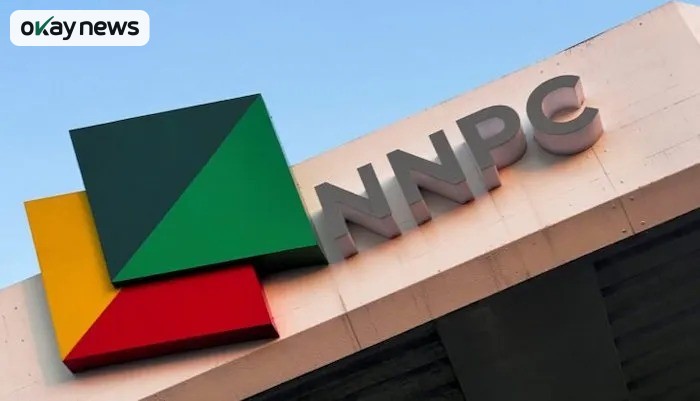
The Socio-Economic Rights and Accountability Project (SERAP), a Nigerian non-profit advocacy organization, has filed a lawsuit against the Nigerian National Petroleum Company (NNPC) Limited over its alleged failure to account for missing public funds totaling ₦22.3 billion, $49.7 million, £14.3 million, and €5.2 million.
The suit, filed at the Federal High Court in Abuja, Nigeria’s capital city, is based on allegations contained in the 2022 audited report of the Office of the Auditor-General of the Federation.
The organization is seeking a court order to compel the state-owned oil company to account for and disclose all transactions related to the allegedly diverted funds, including details of contractors and disbursements. SERAP argues that the missing revenues, documented by the nation’s top auditor, reflect a systemic failure of accountability that has damaged Nigeria’s economy and deprived citizens of essential public services.
Okay News reports that the lawsuit alleges the diverted funds have contributed to deficit spending, increased government borrowing, and trapped many Nigerians in poverty. SERAP’s lawyers, Oluwakemi Agunbiade and Valentina Adegoke, stated that granting their request would “strike a blow against impunity” and help ensure the recovery of money meant for the Nigerian people.
According to the referenced audit report, the NNPC failed to account for the massive sums and allegedly made several irregular payments. These include a ₦292 million payment in 2020 for an Accident and Emergency Facility contract in Abuja where the contractor allegedly abandoned the project after collecting the funds.
The report also questioned over £14 million spent in 2021 on repairing the NNPC’s London office with no supporting evidence and an “irregular” payment of over $22 million to a crude oil lifting contractor.
SERAP contends that these allegations suggest grave violations of the Nigerian Constitution, national anti-corruption laws, and the country’s international obligations.
The group asserts that combating corruption in the oil sector is crucial for poverty alleviation and improving access to public services. No hearing date has been set for the suit, which highlights ongoing transparency challenges within Nigeria’s pivotal state-owned energy corporation.


, a Nigerian non-profit advocacy organization, has filed a lawsuit against the Nigerian National Petroleum Company (NNPC) Limited over its alleged failure to account for missing public funds totaling ₦22.3 billion, $49.7 million, £14.3 million, and €5.2 million.)