Nigeria’s crude oil and condensate production dropped to an average of 1.58 million barrels per day in September 2025, following a three-day strike by senior oil workers and scheduled maintenance at major facilities.
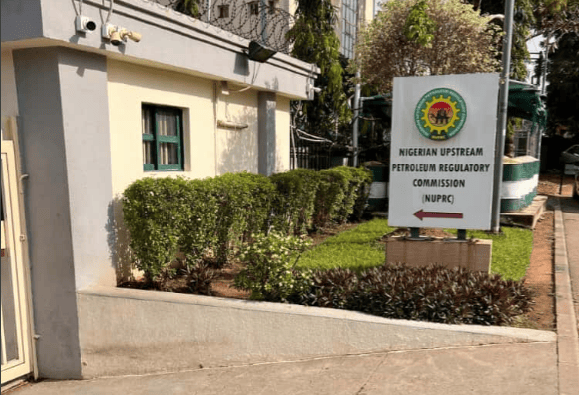
The Nigerian Upstream Petroleum Regulatory Commission (NUPRC) disclosed this in its latest operational report released on Saturday.
According to the commission, the September output comprised 1.39 million barrels per day (bpd) of crude oil and 191,373 bpd of condensate, bringing total production for the month to 47.43 million barrels.
The NUPRC said the decline was caused by the temporary shutdown of production and export terminals during the strike by the Petroleum and Natural Gas Senior Staff Association of Nigeria (PENGASSAN), alongside maintenance at two key oil facilities.
“Crude oil and condensate production for the month fell to 1.581 million barrels per day due to the industrial action and scheduled maintenance activities,” the report stated.
Despite the setback, output still showed a 1.61 percent year-on-year increase compared to the 1.55 million bpd recorded in September 2024. However, it represented a 3.09 percent decline from August’s 1.63 million bpd, reflecting short-term losses from the disruptions.
The report also indicated that Nigeria’s production in September stood at 93 percent of its OPEC quota of 1.5 million bpd.
Peak daily output during the month reached 1.81 million bpd, while the lowest level was 1.35 million bpd. Forcados Blend accounted for the highest share at 15.86 percent of total production, followed by Bonny Light (13.31%), Qua Iboe (9.88%), Escravos Light (8.96%), and Bonga (6.83%).
Other key streams included Agbami Condensate (4.94%), Erha (4.55%), and Amenam (4.2%).
The NUPRC noted that while the year-on-year growth signals gradual recovery, the month-on-month decline underscores the fragility of Nigeria’s oil sector, which remains exposed to labour unrest and infrastructure issues.
The commission reaffirmed its commitment to stabilising production through stricter monitoring, increased field surveillance, and regulatory reforms aimed at ensuring sustained output and compliance with OPEC targets.