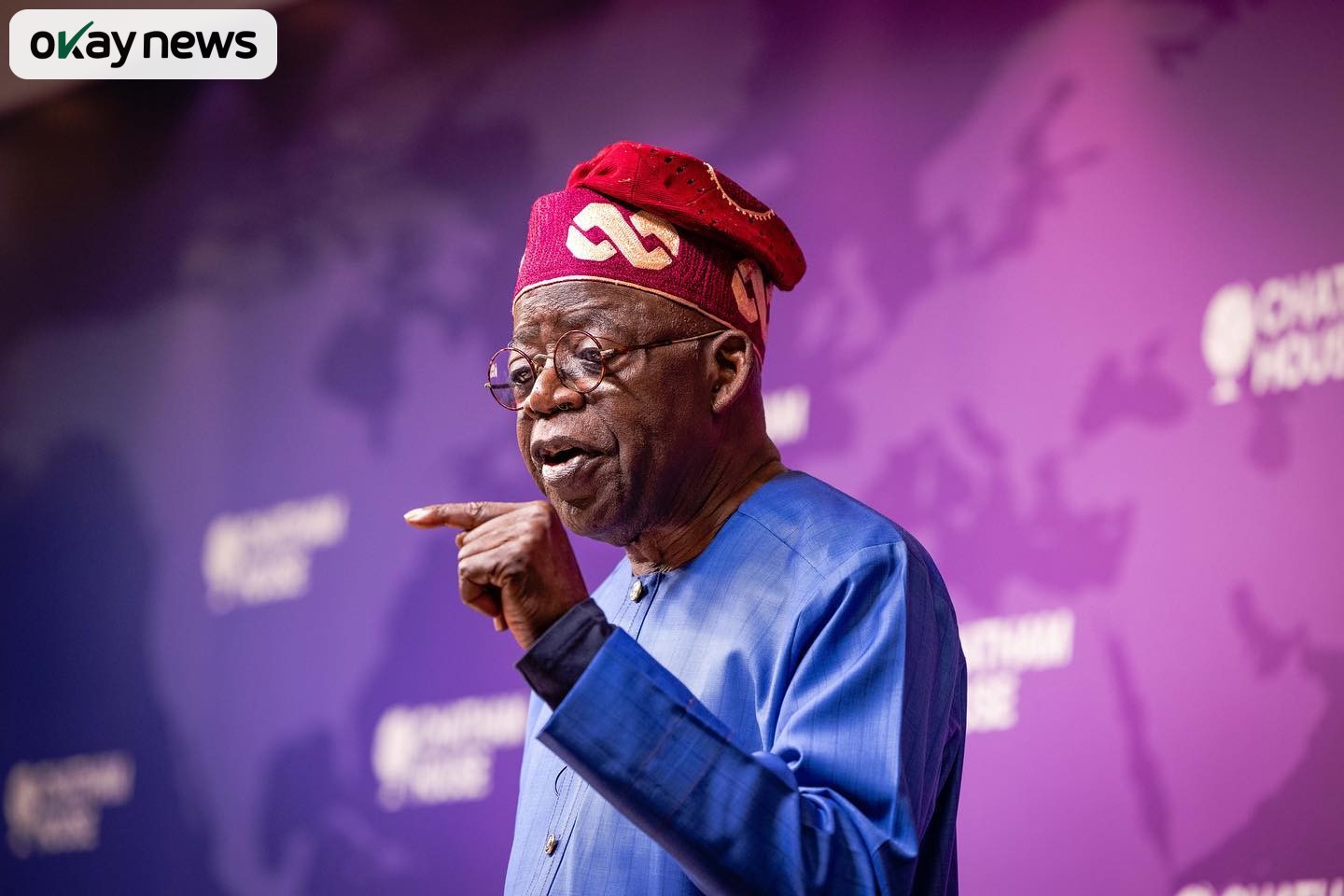
Abuja, Nigeria — The federal government of Nigeria has confirmed that several countries have formally approved the appointment of new Nigerian ambassadors, marking progress toward filling long-standing vacancies in key diplomatic missions around the world.
The spokesperson for Nigeria’s Ministry of Foreign Affairs, Kimiebi Ebienfa, announced in a statement issued on Monday, March 30, 2026, that ten countries have granted what is known as agrément, the formal consent required from a host nation before an ambassador can officially assume duties.
The countries that have provided approval include the United Kingdom, France, the United States, Ireland, Qatar, the Republic of Benin, Ethiopia, Djibouti, Senegal and Sierra Leone. According to the ministry, responses from other nations are still pending.
“Agrément is the formal consent given by a host country to accept a diplomat nominated by another nation,” the statement explained, noting that the approval process remains ongoing.
Ebienfa added that the date for the induction ceremony for the ambassadors will be announced once the process is completed and confirmed by the presidency of Nigeria. “The date for the induction ceremony will be announced in due course once it is finalised and confirmed by the Presidency,” he said.
Okay News reports that Nigeria has operated without substantive ambassadors in many foreign missions since President Bola Ahmed Tinubu assumed office in May 2023. During this period, many embassies were overseen by chargés d’affaires, who serve in acting capacities.
The absence of ambassadors attracted criticism from diplomats and policy observers, who warned that the situation could reduce Nigeria’s diplomatic influence and limit bilateral engagement, particularly with strategic partners.
To address the gap, the presidency forwarded a list of 65 ambassadorial nominees to the National Assembly of Nigeria in late 2025. Although the nominees were screened in December 2025, deployment requires agrément from host countries before they can take up their assignments.
Meanwhile, earlier reports indicated that some countries, including India, declined to accept certain nominees. The rejections were linked to diplomatic policies that discourage accepting ambassadors from administrations with less than two years remaining in office.
The approvals received so far are expected to strengthen Nigeria’s diplomatic presence and improve international engagement once the ambassadors formally resume duties.