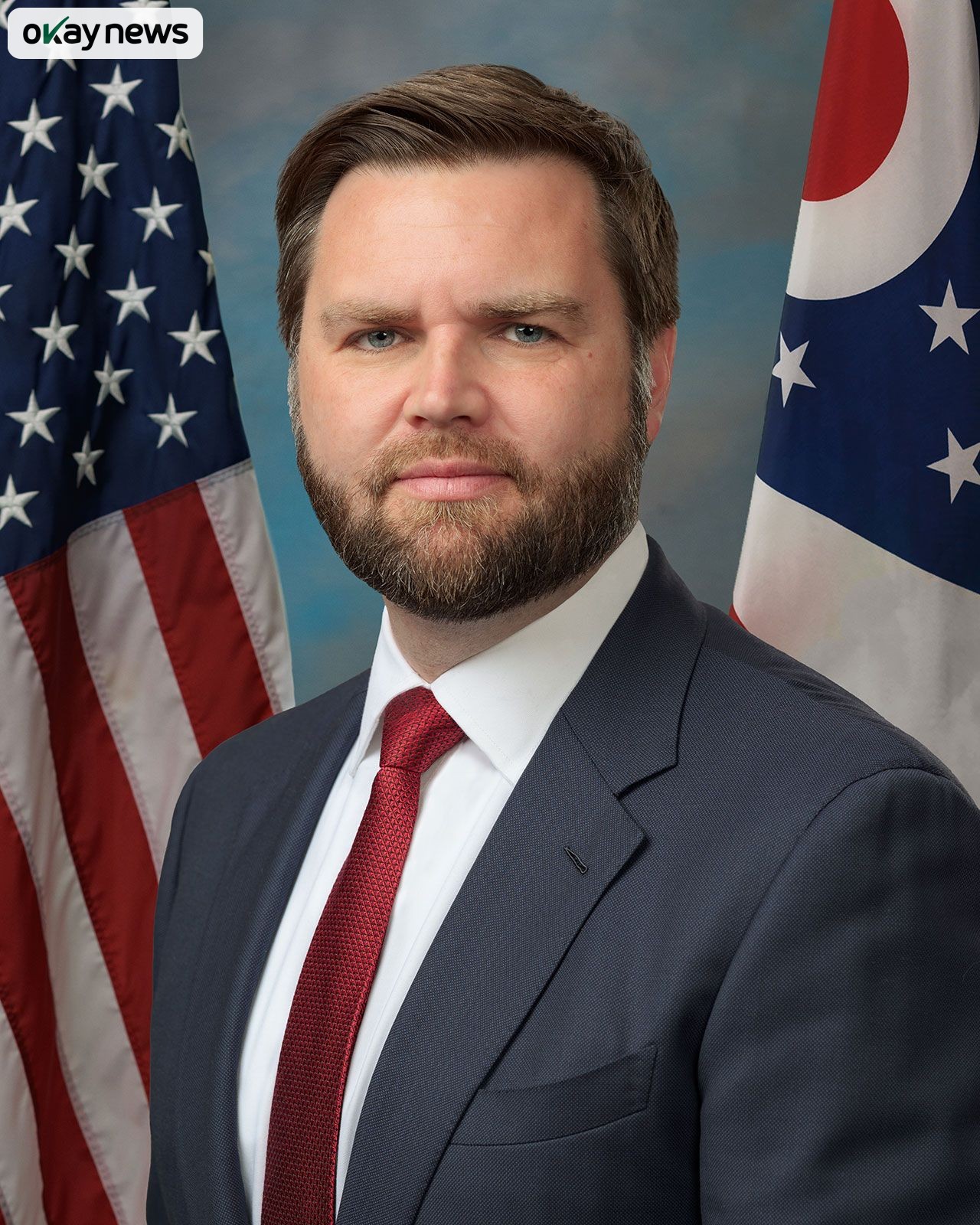
Budapest, Hungary — During an official visit to Hungary on Wednesday, April 8, 2026, the Vice President of the United States, JD Vance, shared a sobering assessment of the ongoing war in Ukraine. Speaking from Central Europe, the Vice President characterized the conflict as the most difficult global challenge to settle, while simultaneously criticizing political leaders across the European Union for a perceived lack of commitment to ending the hostilities.
The Vice President’s comments come at a pivotal moment in international diplomacy. On the same day, the government in Kyiv, the capital of Ukraine, urged Washington to exert more pressure on Russia to conclude its invasion. Ukrainian officials pointed to a recent ceasefire agreement between the United States and Iran as evidence that American decisiveness can yield successful diplomatic results.
While acknowledging that solving the crisis is an uphill battle, Vice President Vance noted that there has been measurable movement toward a resolution. He revealed that both Ukrainian and Russian representatives have submitted formal positions on paper, which are gradually aligning. “We’ve been disappointed by a lot of political leadership in Europe because they don’t seem particularly interested in solving this particular conflict,” Vance stated, adding that he remains optimistic because the war has “stopped making sense.”
The Vice President questioned the human and economic cost of continuing the fight over small portions of land. He asked whether minor territorial gains were worth the loss of hundreds of thousands of lives or the continued economic devastation and high energy prices affecting the global market. Okay News reports that the Vice President particularly praised the Prime Minister of Hungary, Viktor Orban, for his role in helping the United States understand the requirements for peace from both the Russian and Ukrainian perspectives.
This visit serves a dual purpose as Prime Minister Orban faces a significant political challenge in Hungary’s upcoming parliamentary elections scheduled for Sunday. By visiting Budapest, the Vice President signaled strong support for the Hungarian leader, who has often maintained a different diplomatic path than other European Union members regarding ties with Moscow. The outcome of these diplomatic efforts affects not only the immediate combatants but also the global economy and international security architecture.