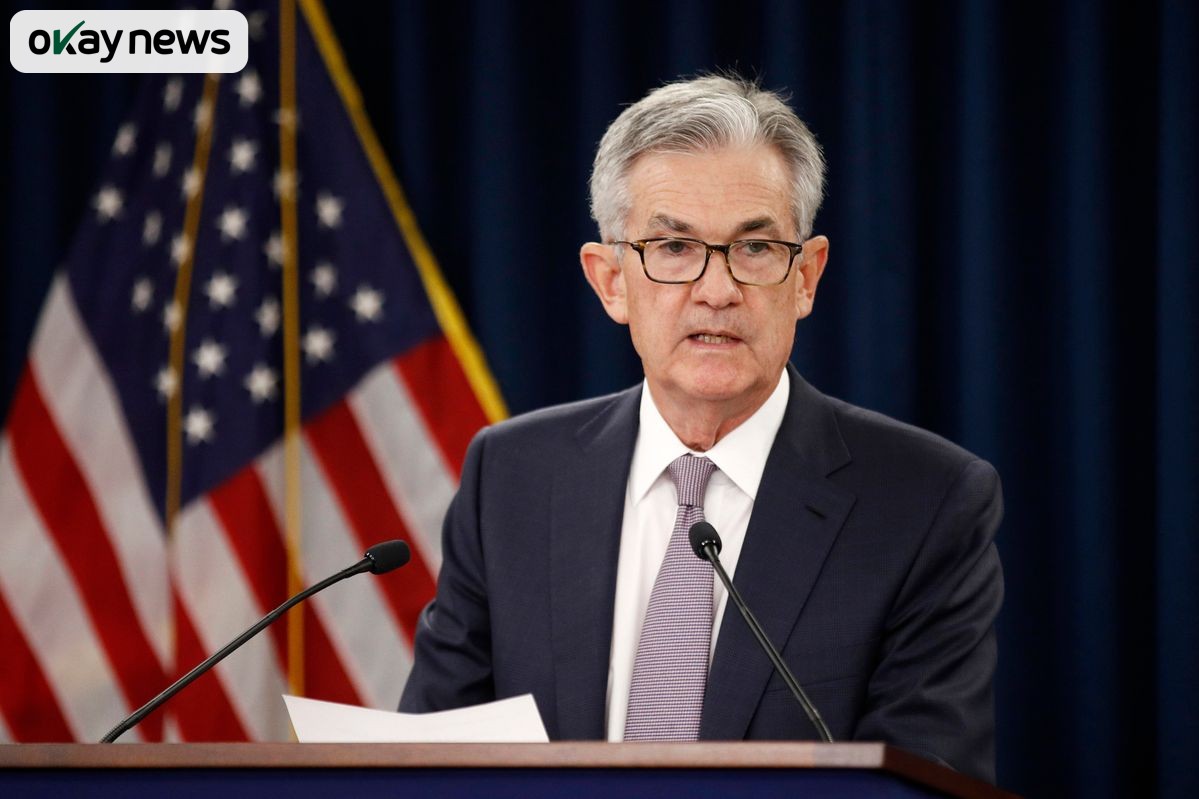
The United States Federal Reserve, the central banking system of the US, is widely expected to keep interest rates unchanged during its latest policy meeting, signaling a pause in its recent cycle of cuts despite public pressure from President Donald Trump.
The Federal Open Market Committee (FOMC) convened in Washington, D.C., with economists anticipating a hold on the benchmark lending rate.
Okay News reports that the central bank has lowered rates at each of its last three meetings, bringing them to a range between 3.50 per cent and 3.75 per cent, amid concerns over a cooling jobs market. However, solid Gross Domestic Product (GDP) growth, relatively low unemployment, and persistent inflation have now prompted a shift to a “wait-and-see” approach. This caution puts the institution at odds with President Trump, who has repeatedly called for more aggressive rate reductions.
Defending Central Bank Independence
The political pressure on the Fed has escalated sharply since Trump returned to the White House. The administration has sought to oust Fed Governor Lisa Cook over allegations and launched an investigation into Chairman Jerome Powell concerning a headquarters renovation. In a rare public rebuke this month, Powell criticized the threat of criminal charges against him, framing it as a challenge to whether monetary policy would be “directed by political pressure or intimidation.”
Analysts note that while the Fed faces political demands, the current economic data does not justify further immediate cuts. “The hurdle for additional near-term cuts has risen,” said Gregory Daco, chief economist at EY-Parthenon. Officials are now focused on what conditions would justify future reductions, looking for clearer evidence of disinflation or a renewed deterioration in the labor market.
Future Policy Under A New Chair
All eyes are now on the impending leadership transition, as Jerome Powell’s term as Chairman ends in May. President Trump will nominate his successor, who will shape policy in the coming years. “We think a new Fed chair would be more open to helping to navigate lower interest rates,” stated Kathy Bostjancic, chief economist at Nationwide.
However, experts warn that the political targeting of the Fed could damage its credibility. Michael Strain of the American Enterprise Institute cautioned that “establishing credibility will be much more challenging” for the next chair, as they must convince markets that the bank remains independent of political influence. Strain also warned that the Fed may have cut rates too far last year and might even need to consider raising them in 2026 if inflation re-accelerates.
Financial markets currently expect the Fed to hold rates steady until at least its June meeting. The central bank’s decision and its accompanying economic projections will be scrutinized worldwide for signals on the future path of US monetary policy.