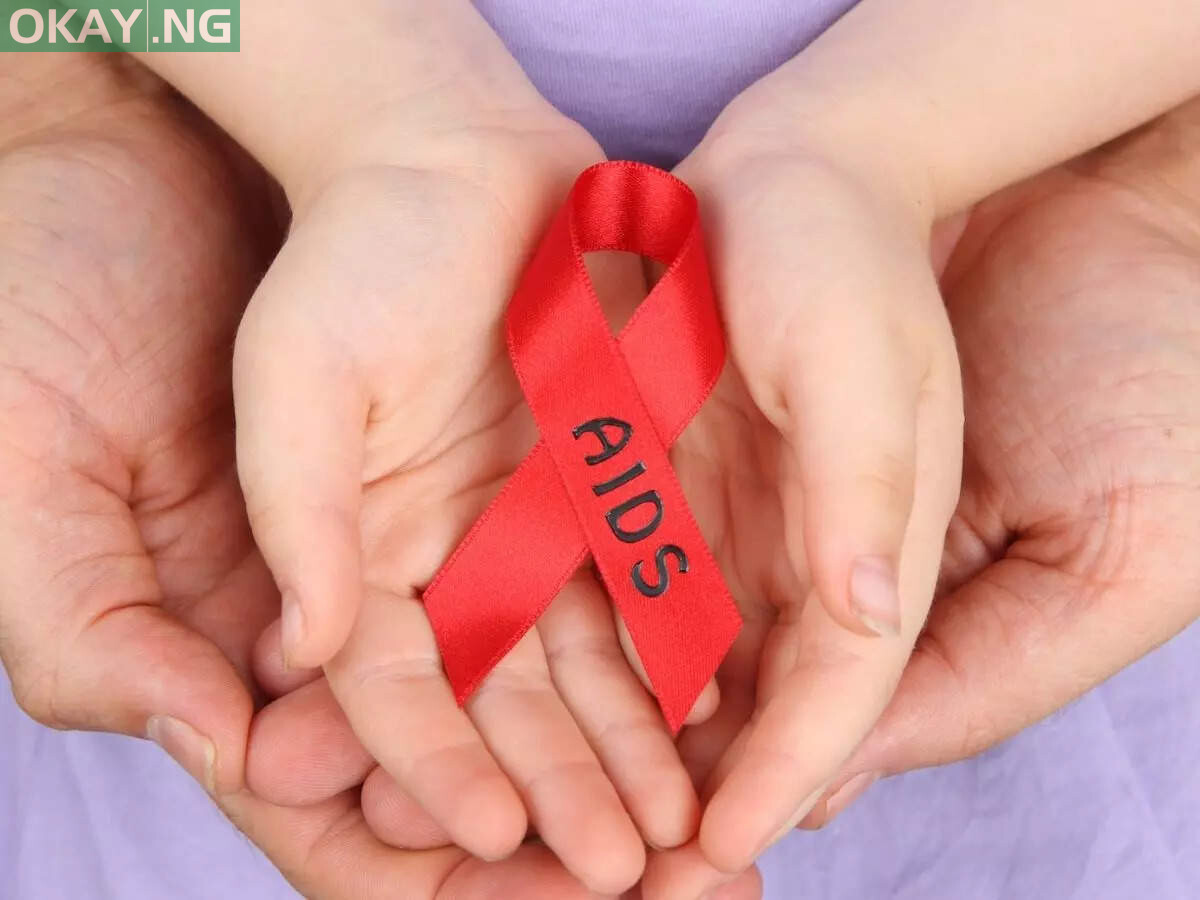
At least 300,000 children were newly infected with HIV in 2020, or one child every two minutes, UNICEF said in a report released today, ahead of World AIDS Day on 1 December. Another 120,000 children died from AIDS-related causes during the same period, or one child every five minutes.
In Nigeria, 20,695 children aged 0-9 years were newly infected with HIV in 2020 – or one child every 30 minutes.
The latest HIV and AIDS Global Snapshot warns that a prolonged COVID-19 pandemic is deepening the inequalities that have long driven the HIV epidemic, putting vulnerable children, adolescents, pregnant women and breastfeeding mothers at increased risk of missing life-saving HIV prevention and treatment services.
“The HIV epidemic enters its fifth decade amid a global pandemic that has overloaded health care systems and constrained access to life-saving services. Meanwhile, rising poverty, mental health issues, and abuse are increasing children and women’s risk of infection,” said UNICEF Executive Director Henrietta Fore. “Unless we ramp up efforts to resolve the inequalities driving the HIV epidemic, which are now exacerbated by COVID-19, we may see more children infected with HIV and more children losing their fight against AIDS.”
Alarmingly, 2 in 5 children living with HIV worldwide do not know their status, and just over half of children with HIV are receiving antiretroviral treatment (ART). Some barriers to adequate access to HIV services are longstanding and familiar, including discrimination and gender inequalities.
In Nigeria, about 30 per cent of AIDS-related deaths in 2020 occurred in children. Alarmingly, only about 3.5 per cent of the 1,629,427 Nigerians receiving antiretroviral treatment (ART) are children, revealing a big treatment gap.
Barriers to adequate access to HIV services are longstanding and familiar, including discrimination and gender inequalities.
In Nigeria, almost eight out of ten new infections occurring in adolescents aged 10-19 occur in adolescent girls, while an estimated 83,000 pregnant women in Nigeria are HIV positive. Only 44 per cent of them are on ART, risking continued mother-to-child transmission of HIV.
The report notes that many countries saw significant disruptions in HIV services due to COVID-19 in early 2020. HIV infant testing in high burden countries declined by 50 to 70 per cent, with new treatment initiations for children under 14 years of age falling by 25 to 50 per cent.
Although uptake of services rebounded in June 2020, coverage levels remain far below those before COVID-19, and the true extent of the impact remains unknown.
In 2020, sub-Saharan Africa accounted for 89 per cent of new HIV paediatric infections and 88 per cent of children and adolescents living with HIV worldwide, with adolescent girls six times more likely to be infected with HIV than boys. Some 88 per cent of AIDS-related child deaths were in sub-Saharan Africa.
Nigeria has the highest number of children and adolescents aged 0-19 years living with HIV in West and Central Africa, with an estimate of 190,000.
“Children and adolescents continue to be left behind in the HIV response around the world. In Nigeria, teenage girls also bear the heaviest burden. We must increase and sustain HIV investments to ensure children are born free of HIV and stay HIV-free throughout childhood and adolescence,” said Peter Hawkins, UNICEF Nigeria Country Representative.
“This is a shared responsibility. The HIV response must be increasingly integrated into all ongoing sector plans. The COVID-19 response presents an opportunity for Nigeria to take big strides to make strategic health system-wide investments that can benefit all children and adolescents. That must include meaningful engagement with all affected communities, especially the most vulnerable,” said Peter Hawkins.