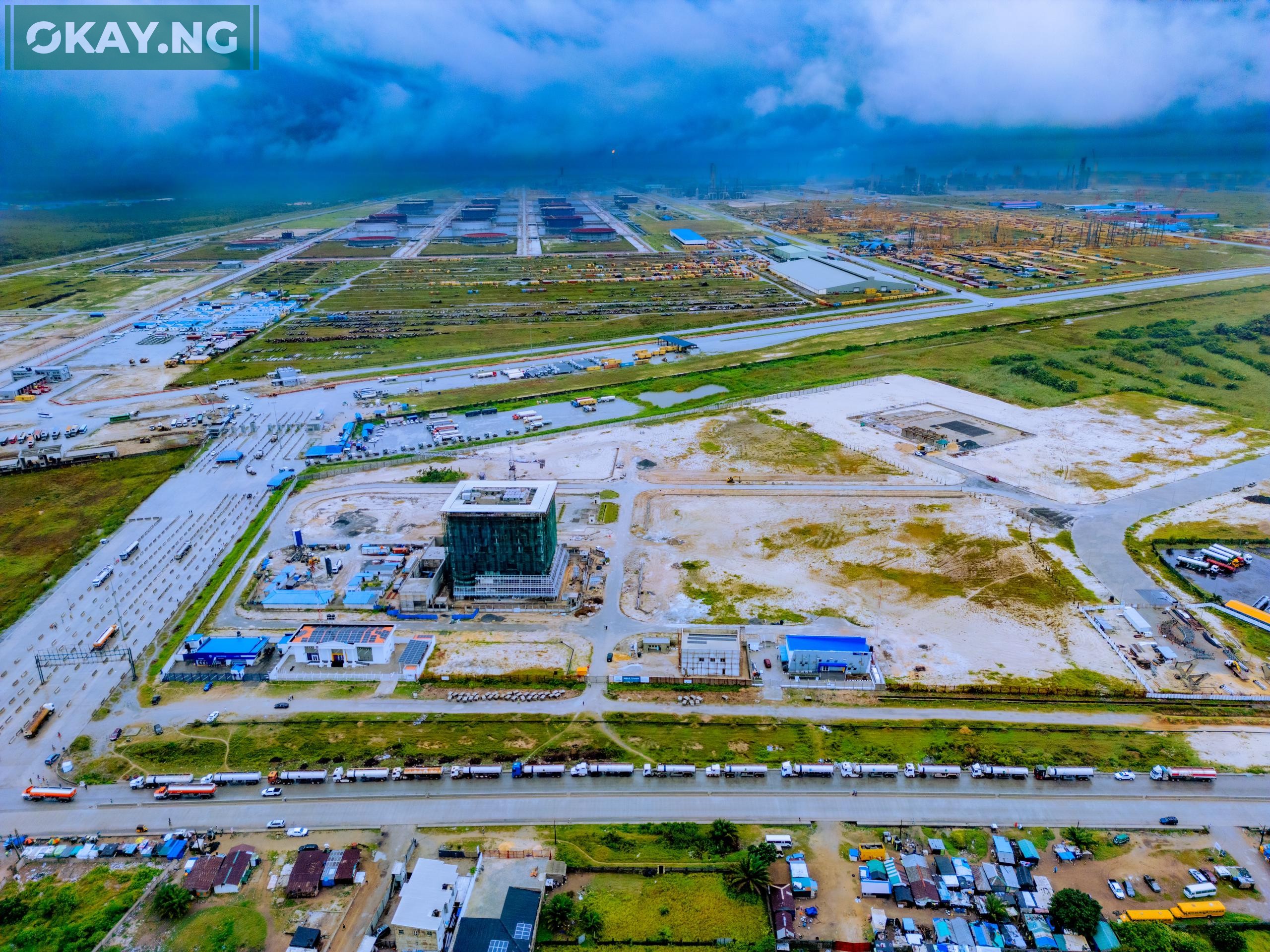
The Dangote Refinery, a monumental project spearheaded by Nigerian billionaire Aliko Dangote, is set to transform Nigeria’s oil and gas sector.
Located in the Lekki Free Trade Zone in Lagos, this refinery is one of the largest single-train refineries in the world. Its impact is expected to be profound, touching various aspects of the Nigerian economy and the broader African continent. In this article, we’ll explore the numerous benefits of the Dangote Refinery that you should be aware of.
1. Massive Increase in Domestic Refining Capacity
The Dangote Refinery has a processing capacity of 650,000 barrels of crude oil per day. This significant capacity will:
- Reduce Fuel Importation: Nigeria currently imports a large portion of its refined petroleum products. The refinery will drastically cut down on imports.
- Enhance Energy Security: A steady supply of refined products will safeguard the nation against global oil price shocks.
- Boost Export Potential: Surplus refined products can be exported to neighboring countries, generating foreign exchange earnings.
2. Economic Growth and Job Creation
The refinery is poised to be a major catalyst for Nigeria’s economy:
- Job Opportunities: It’s expected to create over 100,000 direct and indirect jobs operational phases.
- GDP Contribution: The refinery could contribute an estimated $10 billion annually to Nigeria’s economy.
- Industrial Development: Spur growth in related industries such as petrochemicals and plastics.
3. Foreign Exchange Savings
By reducing the need to import refined petroleum products:
- Save Billions: Nigeria could save up to $7.5 billion annually on import bills.
- Improve Balance of Payments: A positive shift in the balance of trade will strengthen the naira.
- Attract Investment: A stable economy is more attractive to foreign investors.
4. Development of the Petrochemical Industry
The refinery complex includes a petrochemical plant that will produce:
- Polypropylene and Polyethylene: Essential raw materials for manufacturing plastics, packaging materials, and textiles.
- Fertilizers: Boost agricultural productivity through the production of urea fertilizers.
- Industrial Chemicals: Supply chemicals needed for various industrial processes.
5. Infrastructure Development
The establishment of the refinery has led to:
- Improved Infrastructure: Development of roads, jetties, and power plants in the Lekki area.
- Port Efficiency: Construction of a deep-sea port to handle the import of crude oil and export of refined products.
- Urban Development: Growth of residential and commercial facilities to support the workforce.
6. Reduction of Fuel Scarcity and Price Stabilization
With increased local refining:
- Consistent Supply: Minimize fuel shortages that often cripple economic activities.
- Price Stability: Local production reduces the impact of global oil price fluctuations on domestic fuel prices.
- Subsidy Reduction: Decrease government expenditure on fuel subsidies.
7. Technological Advancement and Skill Development
The refinery brings cutting-edge technology to Nigeria:
- Technology Transfer: Exposure to advanced refining technologies and processes.
- Skill Acquisition: Training of local engineers and technicians in world-class facilities.
- Innovation Hub: Potential to become a center for research and development in oil refining and petrochemicals.
8. Environmental Benefits
Despite concerns about fossil fuels, the refinery incorporates modern environmental standards:
- Cleaner Fuels: Produces low-sulfur diesel and gasoline that meet Euro V emission standards.
- Emission Controls: Implements advanced systems to reduce greenhouse gas emissions.
- Waste Management: Adopts efficient practices to minimize environmental impact.
9. Strengthening Nigeria’s Position in Africa
The Dangote Refinery positions Nigeria as a leading energy hub:
- Regional Supplier: Supply refined products to West and Central African countries.
- Trade Relations: Enhance Nigeria’s influence within the Economic Community of West African States (ECOWAS).
- Economic Integration: Foster regional cooperation and development.