Power sector stakeholders have expressed a mix of optimism and concern as seven Nigerian states officially take over the regulation of electricity markets within their territories, marking a significant shift in the governance of the country’s power sector.
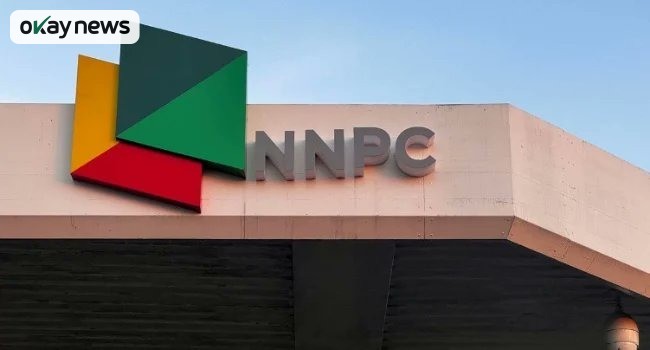
Okay.ng reports that this development follows the Nigerian Electricity Regulatory Commission’s (NERC) recent announcement that Enugu, Ondo, Ekiti, Imo, Oyo, Edo, and Kogi states have now assumed full control of their electricity markets in line with the Electricity Act 2023. This legislation, signed by President Bola Tinubu, decentralizes electricity regulation, transferring authority from the federal level to individual states.
Other states, including Lagos, Ogun, Niger, and Plateau, are on track to complete their transitions between June and September 2025, while Anambra State, having recently enacted its own electricity law, is preparing to join the list.
Historically, NERC was the sole regulator of electricity in Nigeria. However, the new Act empowers states to generate, transmit, distribute, and regulate power independently, though still under national oversight. This marks a historic departure from centralized control to a decentralized framework intended to foster competition and investment.
Despite the enthusiasm, industry experts and NERC officials have voiced concerns about states’ readiness to manage these complex responsibilities. A senior NERC official, speaking anonymously, warned, “The new electricity market is more likely to impact distribution, which is also a stronghold in the value chain. Managing the new change in the electricity market is going to overwhelm the state governments.”
The official highlighted challenges such as manpower shortages and technical expertise gaps, especially in critical areas like tariff setting, noting that “not many people in the whole of this country can set tariffs. Globally, only about 2,000 people have the expertise to set electricity tariffs correctly.”
The transition also raises practical issues such as asset delineation, where infrastructure crosses multiple states, and subsidy management, since governors will decide whether to subsidize electricity costs for their residents. This could result in disparities in electricity affordability across states.
In states like Enugu, which is regarded as well-prepared, the transition is already underway with the establishment of the Enugu Electricity Regulatory Commission and the licensing of subsidiaries like Mainpower Electricity Distribution Limited. The commission recently ordered a refund to customers over overbilling, demonstrating active regulatory enforcement.
Lagos State is also progressing steadily, leveraging its prior experience with embedded generation projects. The Lagos State Electricity Regulatory Commission (LASERC) recently issued its first major order to regulate electricity service providers, signaling its readiness to fully control its electricity market.
PowerUp Nigeria’s Executive Director, Adetayo Adegbemle, cautioned that while decentralization is positive, many states have yet to move beyond formal approvals to actual implementation. “It’s one thing to declare interest, it’s another to actually roll up your sleeves and get the work done,” he said.
Consumer protection advocates, including Kunle Olubiyo of the Nigeria Consumer Protection Network, praised the reform as a reflection of true federalism, allowing states to license localized power projects and tailor solutions to their unique needs. However, he warned that clear legal frameworks must be maintained to avoid jurisdictional conflicts and market fragmentation.
The Electricity Act’s decentralization is expected to encourage private investment and improve service delivery, but the success of this ambitious reform depends heavily on states’ capacity to regulate effectively and protect consumers.