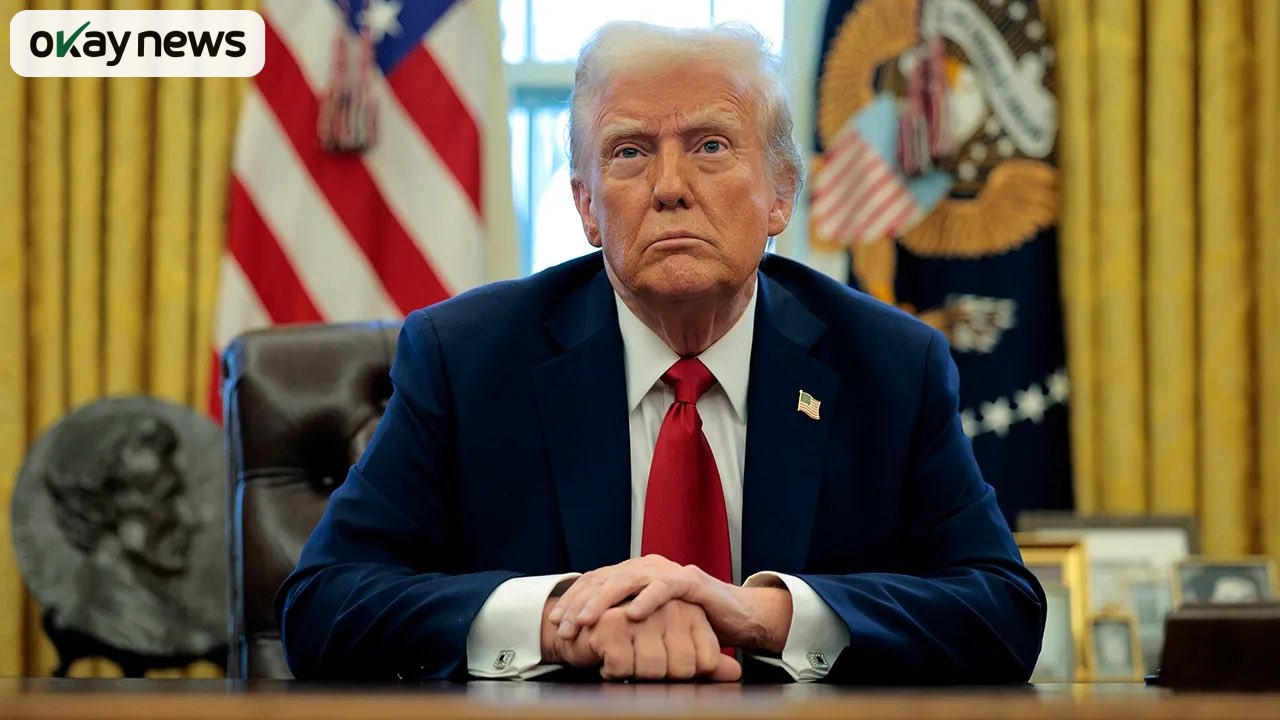
Donald Trump, President of the United States has filed a defamation lawsuit against the BBC, accusing the British public broadcaster of misleadingly editing a speech he delivered on January 6, 2021, in a way that suggested he urged supporters to violently storm the U.S. Capitol.
The lawsuit, filed on Monday in federal court in Miami, seeks $10 billion in damages, with Trump claiming $5 billion on each of two counts. In addition to defamation, the suit alleges the BBC violated a Florida law prohibiting deceptive and unfair trade practices.
According to the complaint, the BBC spliced together portions of Trump’s speech — including remarks urging supporters to march to the Capitol and the phrase “fight like hell” — while omitting a section in which he called for peaceful protest. Trump argues that the edit falsely portrayed him as directly inciting violence.
The BBC has previously apologised, acknowledging an “error of judgment” and conceding that the edit created a mistaken impression. However, the broadcaster has rejected Trump’s claim for compensation and maintains there is no legal basis for the lawsuit.
In the filing, Trump said the BBC’s apology fell short, accusing the organisation of failing to demonstrate genuine remorse or implement institutional reforms to prevent similar editorial decisions in the future. A spokesperson for Trump’s legal team alleged the BBC has a long-standing pattern of biased coverage against him.
The BBC declined to comment after the lawsuit was filed, reiterating earlier statements that its position remains unchanged.
The controversy stems from a Panorama documentary aired shortly before the 2024 U.S. presidential election. Although the programme was not broadcast in the United States, it triggered a major internal crisis at the BBC after concerns were raised about its editing. The fallout led to the resignation of the broadcaster’s two most senior officials.
The BBC has said it will not rebroadcast the documentary on any of its platforms. A leaked internal memo from an external standards adviser had previously highlighted concerns about the edit as part of a broader investigation into political bias at the publicly funded broadcaster.
Legal experts say Trump may have chosen to sue in the United States because British defamation law requires claims to be brought within one year of publication — a deadline that has already passed. To succeed under U.S. law, Trump must prove not only that the edit was false and defamatory, but also that the BBC acted knowingly or with reckless disregard for the truth.
The BBC is expected to argue that the documentary was substantially accurate and did not cause reputational harm.
Trump has pursued similar legal action against several U.S. media organisations in recent years. Some outlets, including CBS and ABC, have reached settlements, while others — such as the New York Times and the Wall Street Journal — have denied wrongdoing.
The January 6, 2021 attack on the U.S. Capitol occurred as Congress met to certify ex-President Joe Biden’s victory over Trump in the 2020 presidential election.