Nigeria currently has fewer than 10 million active individual taxpayers nationwide. The narrow tax base highlights the urgent need for data-driven reforms, especially at subnational levels.
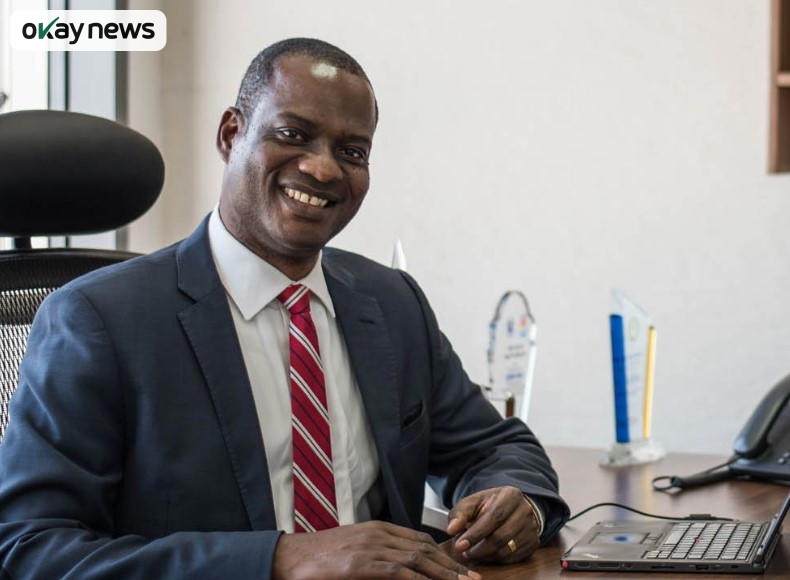
Okay News reports that Taiwo Oyedele, Chairman of the Presidential Fiscal Policy and Tax Reforms Committee, revealed the figure during a keynote address. He spoke at the Tax Reform Summit 2026 in Lagos, Nigeria’s commercial hub.
The event, themed “From Reforms to Results: The Lagos Implementation Roadmap, Creating a Tax Environment that Works for All,” was organised by the Office of the Special Adviser on Taxation and Revenue with the Lagos State Treasury Office.
Oyedele stressed high-quality data as essential for expanding the tax net. Reliable registers for properties, individuals, and fiscal operations support effective mobilisation.
“In Nigeria today, the number of active individual taxpayers is under 10 million for the whole country. I think that is the number we should have for Lagos State alone, and we need to make that possible,” Oyedele stated.
He described property taxation as stable yet underutilised. Lagos could generate up to ₦1 trillion annually if fully harnessed.
With two million taxable properties averaging ₦100 million value and a 0.5 percent rate, revenue potential reaches that level. Funds could reinvest in infrastructure and services.
Success requires proper enumeration, accurate valuation, transparent administration, and predictable enforcement.
Oyedele urged Lagos to adopt a model tax harmonisation law. States like Ekiti, Zamfara, Anambra, and Kano have already implemented it.
He advocated strengthened legal frameworks for agency collaboration. Harmonised laws reduce burdens and improve efficiency.
The summit focused on translating national reforms into state-level results. Lagos aims for an inclusive tax environment.
Oyedele’s insights underscore challenges in Nigeria’s fiscal system. Low individual compliance limits revenue for development.
Targeted reforms promise broader participation. Data improvements and property focus could significantly boost collections.
These efforts align with ongoing tax administration changes. They support sustainable public finance in Africa’s largest economy.