



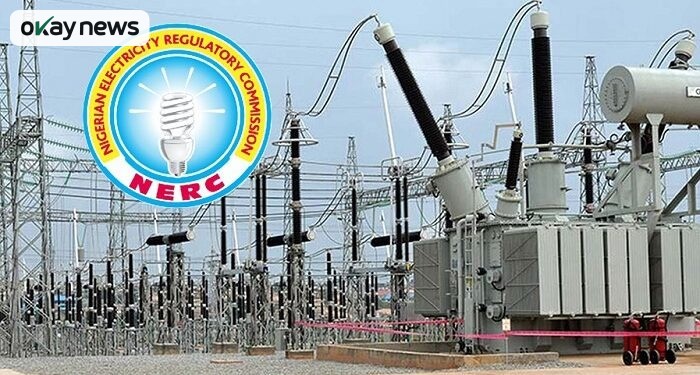
Nigeria’s electricity distribution companies (DisCos) recorded an estimated revenue shortfall of N44.27 billion in October 2025, driven by persistent gaps in billing and collection efficiency, according to the latest Nigerian Electricity Regulatory Commission (NERC) Commercial Performance Factsheet.
Okay News reports that DisCos received electricity valued at N303.85 billion from the national grid during the period, but only managed to bill customers N255.19 billion, resulting in a billing efficiency of 83.9 per cent. This means electricity worth approximately N48.66 billion was delivered but never billed to end-users.
Revenue collection performance was even weaker. Out of the N255.19 billion billed, DisCos collected just N210.92 billion, leaving a collection gap of about N44.27 billion and highlighting ongoing weaknesses in the power sector’s commercial operations.
The report revealed wide variations in billing efficiency among the 11 DisCos, pointing to uneven operational performance and structural challenges across the country.
Kano DisCo achieved the highest billing efficiency at 98.05 per cent, demonstrating strong customer enumeration and billing controls. Eko DisCo followed with 95.71 per cent, while Ikeja DisCo posted 94.36 per cent, reflecting relatively better performance in Lagos’ electricity market.
Jos DisCo recorded 84.89 per cent, Kaduna DisCo 84.62 per cent, and Abuja DisCo 84.05 per cent, all slightly above the national average.
However, several DisCos performed significantly below expectations. Enugu DisCo recorded 80.23 per cent, Port Harcourt DisCo 80.32 per cent, Ibadan DisCo 73.51 per cent, Yola DisCo 66.03 per cent, while Benin DisCo posted the lowest billing efficiency at 65.32 per cent.
These inefficiencies continue to strain Nigeria’s fragile electricity value chain. When DisCos fail to bill and collect effectively, they are unable to remit full payments to the Nigerian Bulk Electricity Trading Company (NBET) and generation companies (GenCos), deepening liquidity challenges and limiting investment in generation and transmission.
The revenue gaps ultimately affect electricity supply reliability, investor confidence, and the sector’s ability to deliver consistent power to consumers, while increasing reliance on government subsidies.
NERC has repeatedly warned that without significant improvements in metering coverage, reductions in aggregate technical, commercial and collection (ATC&C) losses, and stronger customer engagement, the sector’s financial health will remain at risk.
The regulator has linked better outcomes to initiatives such as the National Mass Metering Programme (NMMP), stricter enforcement of performance targets, and potential sanctions for persistent underperformance.
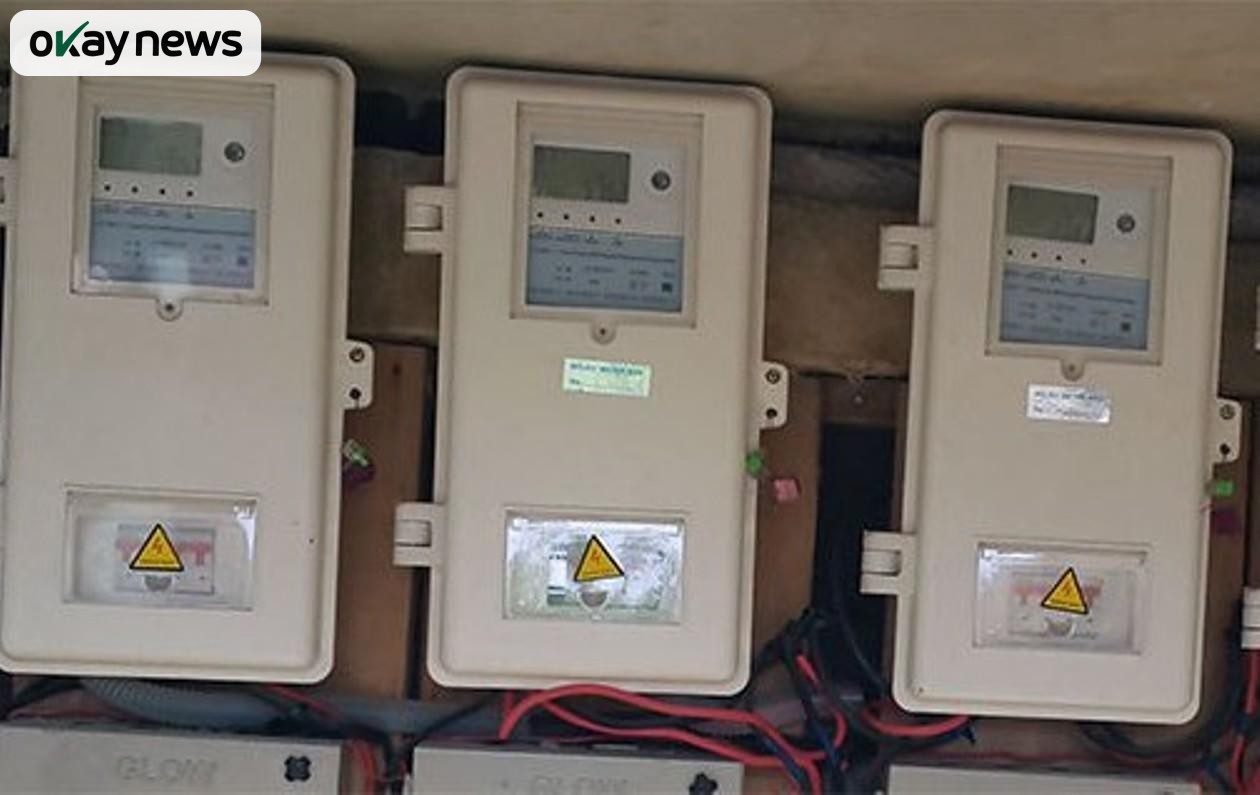
As of October 2025, the national electricity metering rate stood at 56.07 per cent, still leaving millions of customers unmetered and vulnerable to estimated billing disputes.
The latest figures underscore that Nigeria’s power distribution segment continues to face deep-rooted efficiency challenges, costing the sector tens of billions of naira and constraining its capacity to meet the country’s growing electricity needs.



 recorded an estimated revenue shortfall of N44.27 billion in October 2025, driven by persistent gaps in billing and collection efficiency, according to the latest Nigerian Electricity Regulatory Commission (NERC) Commercial Performance Factsheet.)