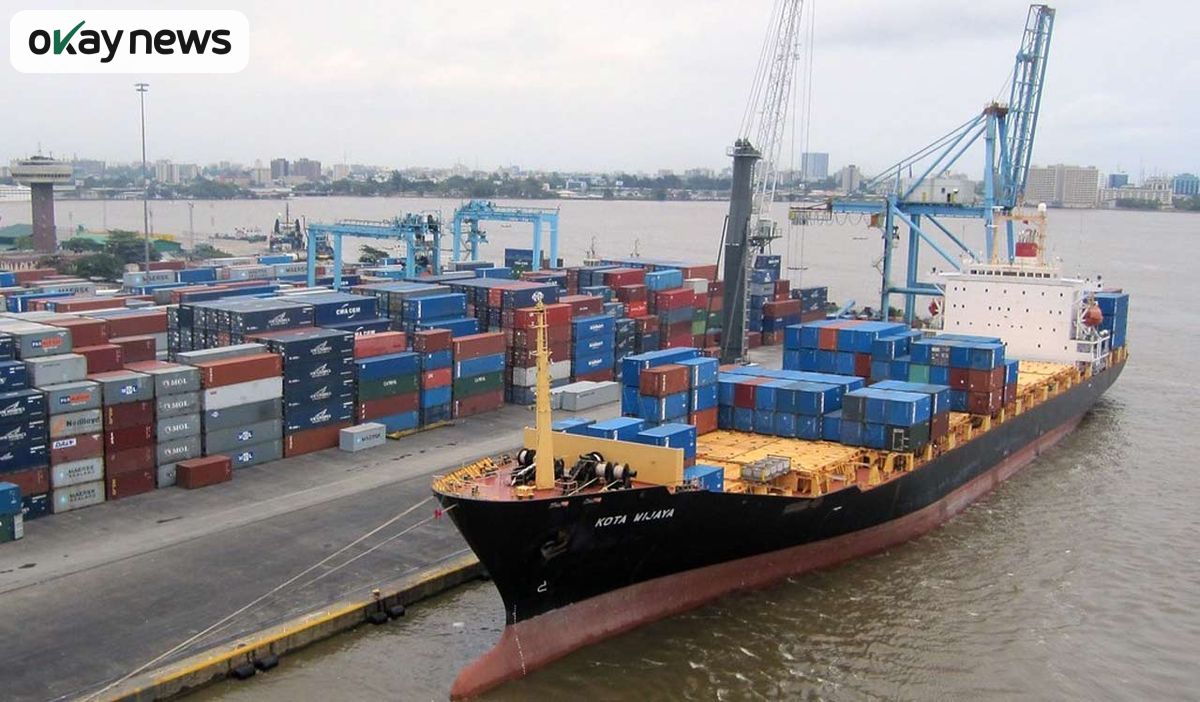
Nigeria, Africa’s most populous nation and largest economy with over 200 million people, recorded exports to Africa totaling N4.82 trillion in the first half of 2025, up 14% year-on-year compared to N4.21 trillion in the first half of 2024.
The West African country, which is also the continent’s largest oil producer, saw West Africa absorb over 62% of its continental exports during the period.
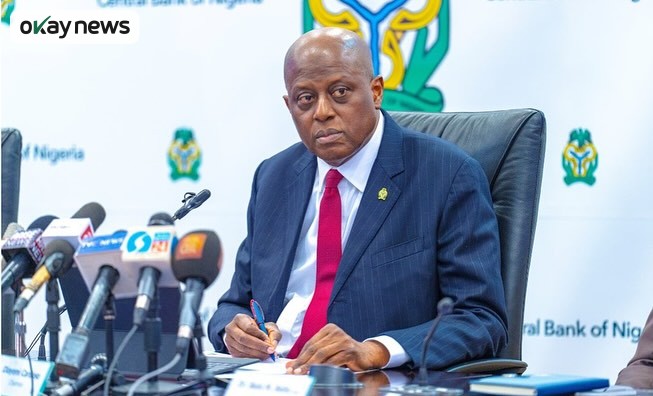
Okay News reports that West Africa absorbed over 62% of Nigeria’s continental exports during the period. Bashir Adewale Adeniyi, Comptroller General of the Nigeria Customs Service (NCS), was quoted by Bloomberg as saying that the trend last year highlights Nigeria’s role as a hub for intra-continental trade and value chains.
Adeniyi, who heads Nigeria’s government agency responsible for customs duties and border control, added that this is a clear signal of strengthening regional trade momentum across the continent.
West Africa Dominates Nigeria’s African Trade
Data from the National Bureau of Statistics (NBS), Nigeria’s official statistics agency, reviewed by Ecofin Agency show that West Africa has remained Nigeria’s largest market on the continent. The Economic Community of West African States (ECOWAS), a regional political and economic union of 15 West African countries, bought N2.995 trillion worth of goods, representing more than 62% of Nigeria’s exports to Africa and rising 16% year-on-year.
Fuel was the most purchased Nigerian product by the regional bloc, totaling nearly N298 billion in the first half of 2025. This comes as Nigeria, Africa’s largest oil producer and a member of the Organization of the Petroleum Exporting Countries (OPEC), continues to leverage its petroleum resources for regional trade.
In the first half of 2025, exports to Africa accounted for only about 10% of Nigeria’s total exports, estimated at N43.3 trillion. Africa was the country’s fourth-largest export destination after Europe (N17.3 trillion), Asia (N14.1 trillion), and the Americas (N6.9 trillion).
Nigeria Boosts AfCFTA Trade Efforts
However, Nigeria has taken steps to boost its trade under the African Continental Free Trade Area (AfCFTA), a continental free trade agreement among African Union member states launched in 2021 to create a single market for goods and services across Africa. These efforts include tariff concessions and the launch in May 2025 of an air freight corridor to East Africa, expected to reduce export costs to the region by 50% to 75%.
The new air freight corridor connects Nigeria’s commercial hub, Lagos, with key East African destinations, facilitating faster and cheaper movement of goods across the continent. This infrastructure development aligns with Nigeria’s strategy to strengthen its position as a major trading nation within Africa and capitalize on the opportunities presented by AfCFTA.