Nigeria’s Federal Government says it will formally charge some suspects linked to the recent killings in Yelwata, a town in Benue State in north-central Nigeria, on Monday, 2 February 2026.
A statement issued on Sunday, 1 February 2026, said the suspects were arrested after investigators worked with multiple government agencies to review the incident and identify those believed to be involved. Okay News reports that the case is part of the government’s promise to pursue prosecutions in serious attacks on civilians.
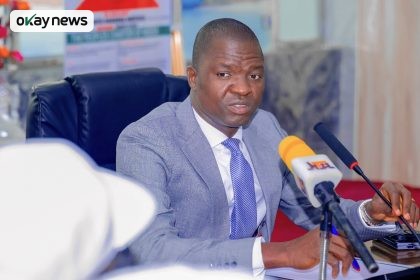
The update was signed by Kamarudeen Ogundele, who serves as Special Assistant to Nigeria’s President on Communication and Publicity in the office of the Attorney General of the Federation and Minister of Justice (AGF).
In the statement, the AGF’s office said: “Some suspects arrested and strongly linked to the killings in Yelwata, a town in Benue State, will be arraigned tomorrow (Monday, February 2) to answer for their crimes”.
Ogundele also said the suspects would be taken before the Federal High Court in Abuja, Nigeria’s capital, where they are expected to face charges related to the attack. He said the case would be heard by Justice Joyce Abdul-Malik.
The AGF’s office described the investigation as detailed and serious, adding that the government wants the court process to show that violence against citizens will be treated as a major offence. The statement said the office was determined to ensure justice “to send a strong signal” to those who carry out violence “under any disguise”.
The statement also said the administration of Nigeria’s President, Bola Ahmed Tinubu, remains committed to protecting lives and property across the country, as provided for in Nigeria’s constitution.
The killings in Yelwata have increased public concern about security in parts of Benue State, which has faced repeated episodes of deadly violence in recent years, including communal clashes and criminal attacks in some communities. The court appearance is expected to be a key early step in accountability for families and residents affected by the incident.