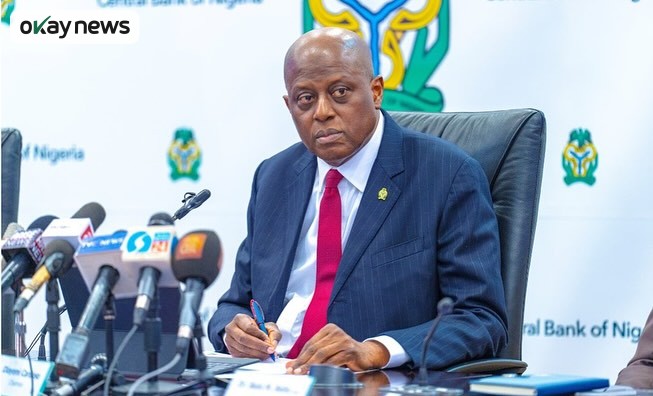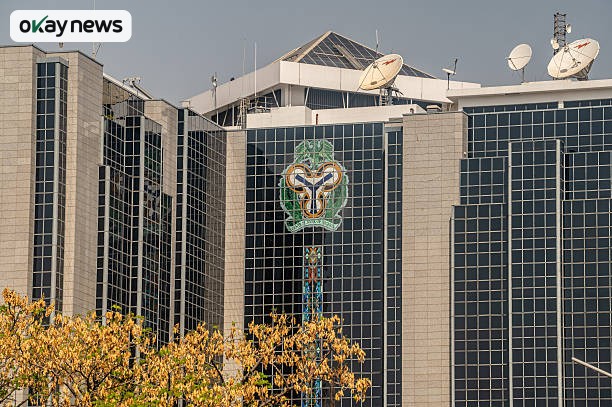
Abuja, Nigeria – The Central Bank of Nigeria spent approximately $7.8 billion in 2025 to manage foreign exchange liquidity and stabilise the naira, according to economists at Stanbic IBTC Asset Management Limited.
Okay News reports that Abdulazeez Kuranga disclosed the figure during Stanbic IBTC Bank’s Nigeria 2026 Economic Outlook webinar on Tuesday, February 10. He explained that nearly half of the interventions occurred between March and May, a period of heightened exchange rate volatility when the apex bank intensified dollar sales to calm the market.
“The CBN sold about 7.8 billion dollars to the market last year. 47 percent of that came between March and May,” Kuranga said. “When you are seeing massive depreciation in the exchange rate, perhaps because of negative sentiments, you see the CBN also selling FX in the market.”
The economists noted that the CBN now acts like a regular market participant, with its contribution to FX inflows declining to an average of 12.9 percent, down from a peak of 77.9 percent in March 2020. They added that the interventions were particularly effective because they coincided with stronger FX inflows from oil exports, remittances, and foreign portfolio investments.
Foreign investors accounted for an average of 39.4 percent of total FX inflows into the Nigerian Autonomous Foreign Exchange Market in 2025, up from 30.8 percent in 2024. FX reserves strengthened to their highest levels since 2018, supported by improved liquidity conditions.
Looking ahead, Stanbic IBTC projected GDP growth between 4.1 and 4.4 percent in 2026, with inflation moderating to around 15.4 percent. They expect oil production to grow steadily, though it may not reach two million barrels per day until later in the year. However, the analysts warned that Nigeria’s outlook remains sensitive to external shocks, particularly fluctuations in global oil prices and policy shifts in major economies like the United States.