The Nigeria Customs Service (NCS) has unveiled a digital verification system aimed at tackling vehicle smuggling, enhancing transparency, and promoting accountability in the automobile importation process.
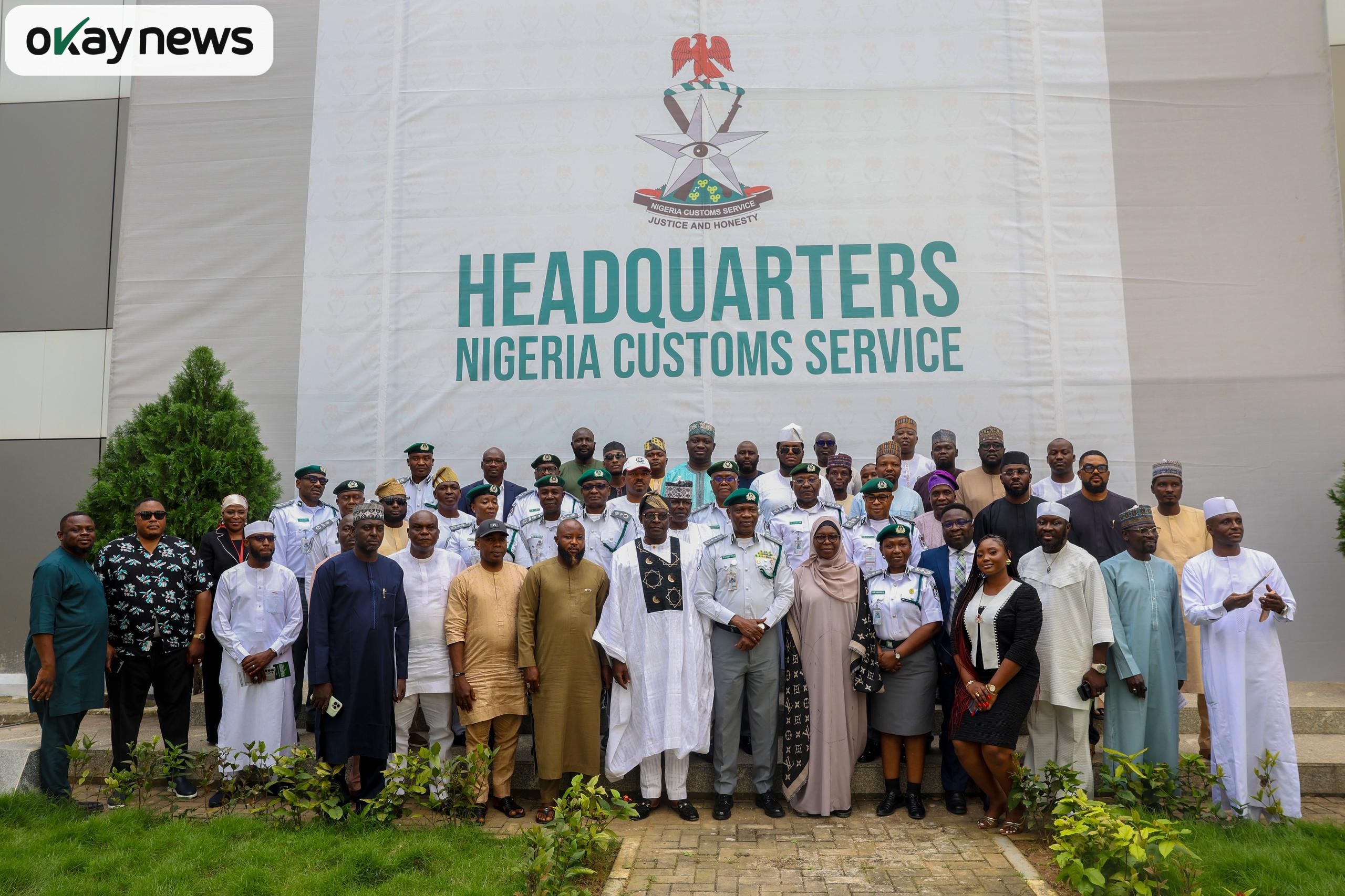
The platform, known as the Customs Verification Management System (CVMS), was officially launched on Monday, October 20, 2025, at the NCS Headquarters in Abuja by the Comptroller-General of Customs, Adewale Adeniyi.
Okay News reports that the CVMS is a major component of the Service’s modernization agenda, designed to close long-standing loopholes in vehicle clearance and improve public trust in Customs operations.
Speaking during the launch, Comptroller-General Adeniyi described the initiative as a “milestone” achievement in the agency’s ongoing digital transformation efforts.
“For years, verification of imported vehicles relied on fragmented and outdated methods that left room for misinformation, fraud, and revenue leakages. The launch of this system is another score on the board for our bold transformation agenda,” Adeniyi said.
He explained that the CVMS was developed in collaboration with the Trade Modernisation Project (TMP) and local technical experts to provide a transparent and secure verification process accessible to all Nigerians.
According to him, the new platform will drastically reduce the circulation of smuggled and improperly cleared vehicles while boosting government revenue.
“This new solution empowers the public and strengthens the integrity of our Service by promoting transparency, accountability, and trust,” he added.
The Customs boss also highlighted that the verification process would cost ₦15,000, allowing vehicle owners and importers to confirm the authenticity of their vehicles.
“Anyone who invests millions of naira in a vehicle would not hesitate to pay ₦15,000 to verify its authenticity and ensure their investment is protected,” he said.
Adeniyi explained that payments can be made with any valid card issued by Nigerian or foreign financial institutions, with results generated instantly. He added that the CVMS creates a centralized database through which vehicle details can be traced, verified, and confirmed within minutes, thereby improving efficiency across Customs formations and enhancing inter-agency coordination.
He emphasized that the introduction of the CVMS forms part of the Service’s broader digital reform strategy, which focuses on simplifying clearance procedures, promoting data-driven operations, and increasing transparency in revenue collection.
“In essence, this system brings openness to an area that was previously shrouded in uncertainty and manipulation. Across all our operations, we are deploying innovative, technology-driven solutions to simplify processes and boost transparency,” Adeniyi stated.
Speaking on behalf of the Chairman of the Trade Modernisation Project, Dr. Jummai Umar-Ajijola, the Managing Director of TMP commended the Customs chief for his unwavering commitment to realizing the CVMS initiative.
“The TMP will continue to support the Service in achieving its vision for modernization and ICT-driven advancement,” she said.
Dr. Umar-Ajijola reaffirmed the project’s partnership with Customs, describing the CVMS as a bold step toward leveraging technology to improve revenue generation, efficiency, and stakeholder confidence.
Also speaking, the National President of the Association of Motor Dealers of Nigeria (AMDON), Ajibola Adedoyin, lauded the initiative and assured that his members would adopt the system after conducting an independent review.
“I can assure you that once the benefits are clear, the first people to adopt this initiative, 90 per cent of them, will be our members,” Adedoyin said.
The CVMS launch represents another major step in the NCS’s digital transformation drive, underscoring its commitment to accountability, innovation, and public trust.
The system introduces a Vehicle Identification Number (VIN)-based verification process, which allows individuals, importers, and car dealers to confirm the authenticity, origin, and duty payment status of vehicles in real-time.