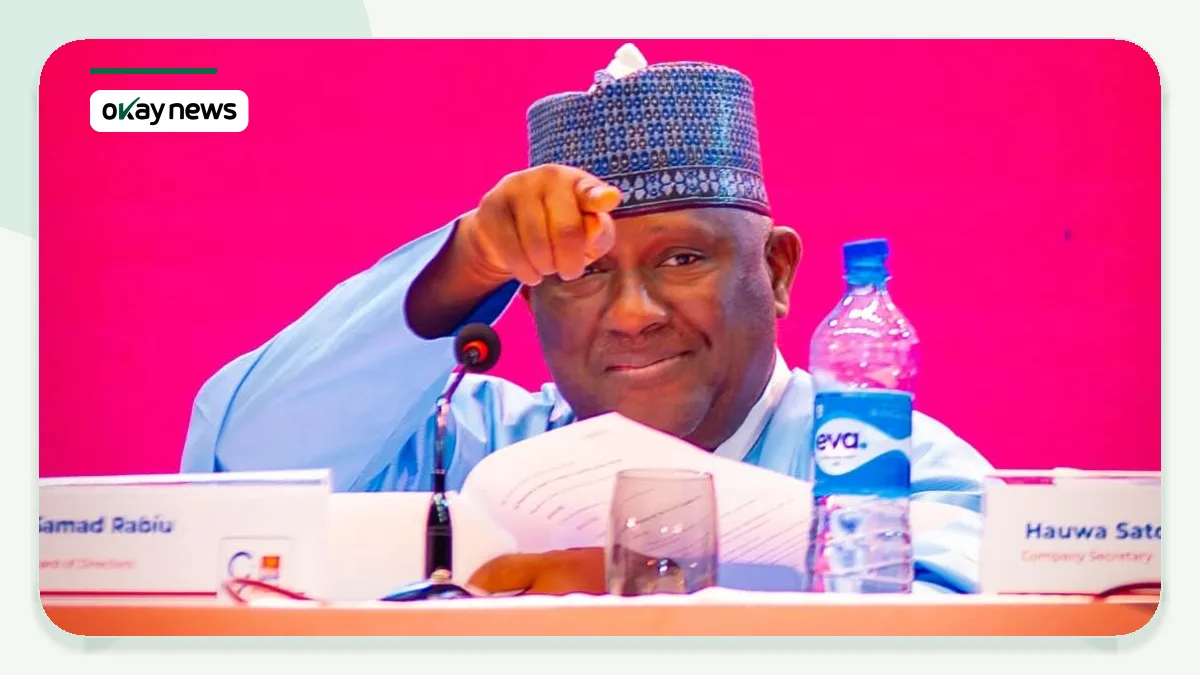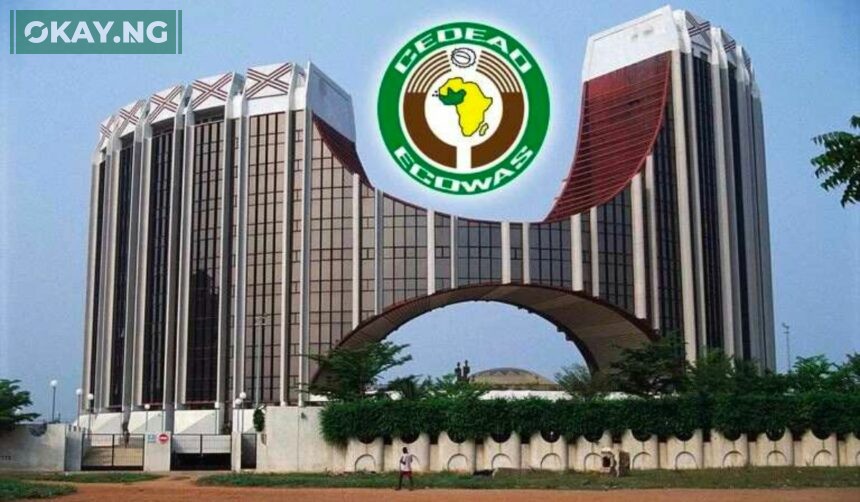
Financial leaders from the Economic Community of West African States (ECOWAS) says plans are ongoing to launch an Eco single currency by 2027. The meeting held in Abuja is the 11th ECOWAS Convergence Council meeting was attended by Ministers of Finance and Central Bank Governors, aimed to strategize for enhanced economic integration and financial stability across the region. This initiative was highlighted in a statement released by Mohammed Manga, Director of Information and Public Relations at the Federal Ministry of Finance.
Nigeria’s Minister of Finance and Coordinating Minister of the Economy, Wale Edun, chaired the session and underscored the critical role of monetary and fiscal discipline in realizing the Eco currency. He acknowledged that security challenges, inflation, and global economic disruptions have impeded progress towards full monetary convergence. However, he emphasized Nigeria’s recent economic reforms, including foreign exchange market adjustments, tax policy improvements, and the removal of fuel subsidies, which have contributed to a 3.4% GDP growth in 2024.
Beyond national policy adjustments, Minister Edun stressed the necessity for stronger regional economic coordination and a more influential ECOWAS role in global financial policy. He highlighted ongoing engagements with South Africa’s G20 presidency as a strategic opportunity to align West Africa’s economic agenda with broader African objectives. He concluded, “This is our opportunity to shape the future of our region. We must work together to drive economic stability, growth, and prosperity.”
The proposed Eco currency aims to significantly enhance economic integration within ECOWAS by simplifying trade through a unified payment system, stabilizing prices, attracting foreign direct investment, and facilitating seamless cross-border transactions. This unified currency promises to create a more stable and attractive economic bloc, fostering growth and development across West Africa.
Despite the potential benefits, significant challenges remain, including divergent fiscal policies, high inflation rates, foreign exchange volatility, and the need for robust institutional frameworks. ECOWAS leaders are committed to overcoming these obstacles through policy harmonization, financial reforms, and strengthened regional cooperation. The West African Monetary Institute (WAMI) was established to specifically aid in the adoption of the Eco Single Currency.
The pursuit of the Eco currency occurs amidst regional shifts, including the withdrawal of Burkina Faso, Niger, and Mali from ECOWAS, which places additional burdens on member states. Simultaneously, partnerships like the €100 million agreement between the EBID and the European Investment Bank provide crucial support for regional development. These factors highlight the complex interplay of internal and external forces shaping West Africa’s economic future.