
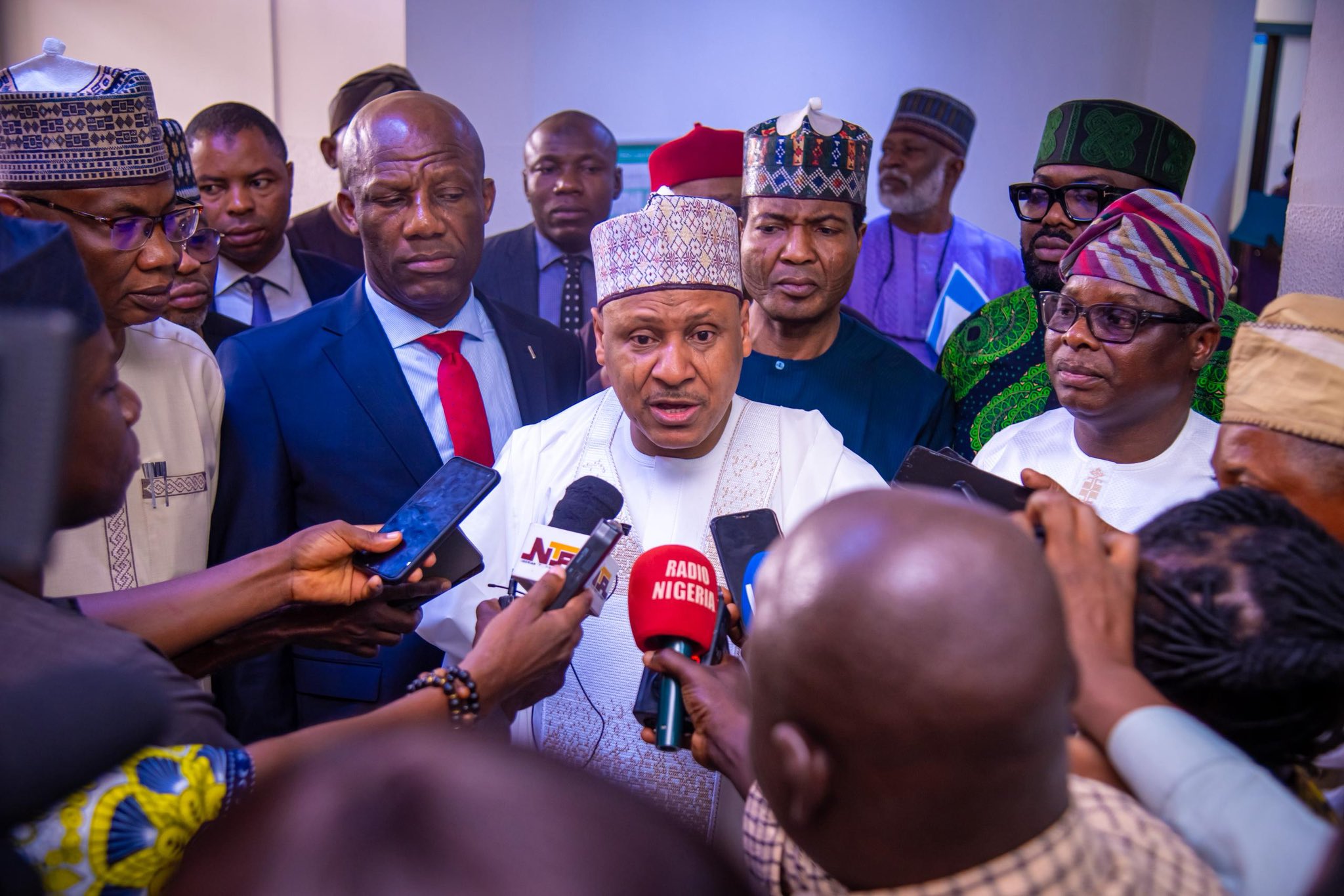
Abuja, NIGERIA – The Federal Government has formally addressed the April 11 airstrike in the Jilli axis of Borno State, describing it as a deliberate, intelligence-led operation aimed at a known terrorist enclave rather than an indiscriminate attack on civilians.
In a statement made available to Okay News on Tuesday, April 14, 2026, by the Minister of Information and National Orientation, Mohammed Idris, clarified that the target area—locally called “Kasu Daulaye”—has long functioned as an insurgent-controlled hub for Boko Haram and ISWAP. The government highlighted that the market had been officially closed five years ago by the Borno State Government due to terrorist activity, and clear security advisories were in place restricting civilian presence in the high-risk zone.
According to the statement, the decision to strike followed weeks of surveillance and recent intelligence, including the arrest of a 15-year-old ISWAP courier who admitted to moving logistics through the Jilli axis. The government linked the terrorist network in that corridor to an IED attack in January and coordinated assaults in Ngamdu and Benisheikh just days before the airstrike.
While expressing “deepest condolences” for the loss of civilian lives, which it termed deeply regrettable, the Federal Government has ordered a full and independent investigation into the incident. The probe will review the intelligence-gathering and targeting processes to ensure accountability. Meanwhile, the National Emergency Management Agency (NEMA) and state agencies have been directed to provide humanitarian support to the affected families.
The Minister also used the briefing to underscore the government’s broader success in the war on terror, noting that Attorney General Lateef Fagbemi recently secured 386 convictions in landmark terrorism trials. The government urged the media to report with responsibility, warning that unverified information could embolden insurgents and undermine national security efforts.