The Federal Government of Nigeria has introduced a N10m Tax Reform Challenge for students across the country to promote awareness and engagement with Nigeria’s new tax reform laws.
The initiative targets young Nigerians to contribute ideas and creativity to the West African nation’s ongoing fiscal reform process.
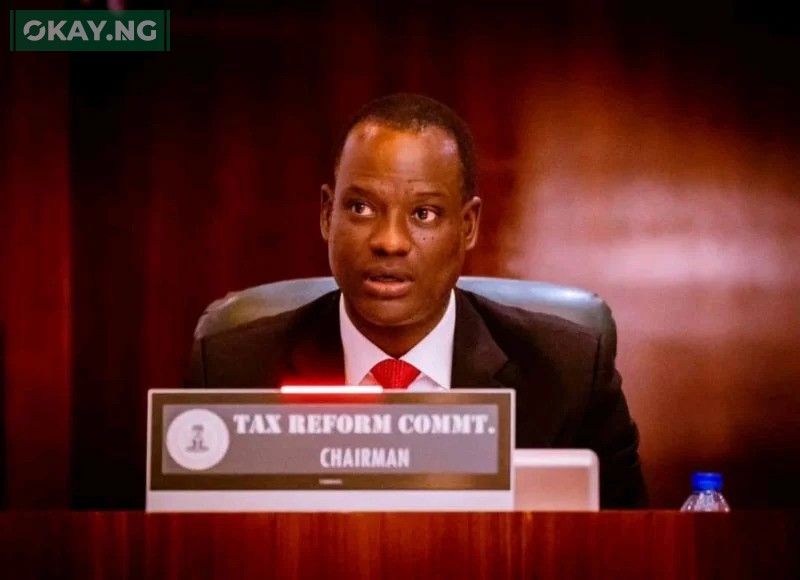
Chairman of the Presidential Fiscal Policy and Tax Reforms Committee, Taiwo Oyedele, announced the initiative on X, formerly Twitter, on Friday. He described the competition as big news for Nigerian students, adding that it aims to raise awareness, promote tax education, and inspire constructive youth-led dialogue on Nigeria’s tax reform.
According to Oyedele, the challenge is open to undergraduates in all Nigerian tertiary institutions as well as graduates currently undergoing the National Youth Service Corps (NYSC) programme or awaiting mobilisation. The NYSC is a mandatory one-year service programme for Nigerian university graduates under 30 years of age.
Participants are expected to read the new tax laws and submit an article, video, podcast, radio piece, or social media post published between July 1 and December 31, 2025. Oyedele explained that entries would be evaluated based on how educative, engaging, and fact-based they are, noting that entries critical of the reform are welcome.
The award structure includes N5m for the first prize, N3m for the second, and N2m for the third. Oyedele added that the top 10 finalists from each of Nigeria’s six geopolitical zones would receive consolation prizes such as gadgets, internships, employment opportunities, and recognition as Tax Reform Youth Ambassadors.
Encouraging young Nigerians to participate, he wrote on social media: “Don’t just watch history. Shape it — Read. Create. Educate. Grow.” The initiative represents part of broader efforts by the Nigerian government to engage citizens in fiscal policy development.
The Presidential Fiscal Policy and Tax Reforms Committee was inaugurated by Nigerian President Bola Tinubu on August 8, 2023, as part of efforts to review and reform Nigeria’s fiscal and tax policies. Chaired by fiscal policy expert Taiwo Oyedele, the committee was mandated to harmonise taxes, reduce multiple taxation, and improve the country’s revenue generation system without creating additional burdens for citizens or businesses.
The Federal Government explained that the committee’s work would focus on simplifying Nigeria’s complex tax structure, promoting transparency, and improving coordination between federal and subnational tax authorities. Nigeria operates a three-tier system of federal, state, and local government taxation.
The Federal Government published Nigeria’s new tax reform laws in the official gazette in September following President Tinubu’s assent on June 26, 2025. The reforms introduce four legislations: the Nigeria Tax Act 2025, Nigeria Tax Administration Act 2025, Nigeria Revenue Service (Establishment) Act 2025, and the Joint Revenue Board (Establishment) Act 2025.
The gazette stated that small businesses with turnover under N100m and assets below N250m are exempted from corporate tax. Corporate tax rate for large firms may be cut from 30 per cent to 25 per cent at the President’s discretion, while a 5 per cent annual tax credit was introduced for eligible priority-sector projects.
The Nigeria Tax Act and the Nigeria Tax Administration Act will take effect from January 1, 2026, while the Nigeria Revenue Service Act and the Joint Revenue Board Act became effective from June 26, 2025. These reforms aim to simplify Nigeria’s tax system, support small businesses, attract investment, and strengthen fiscal stability.