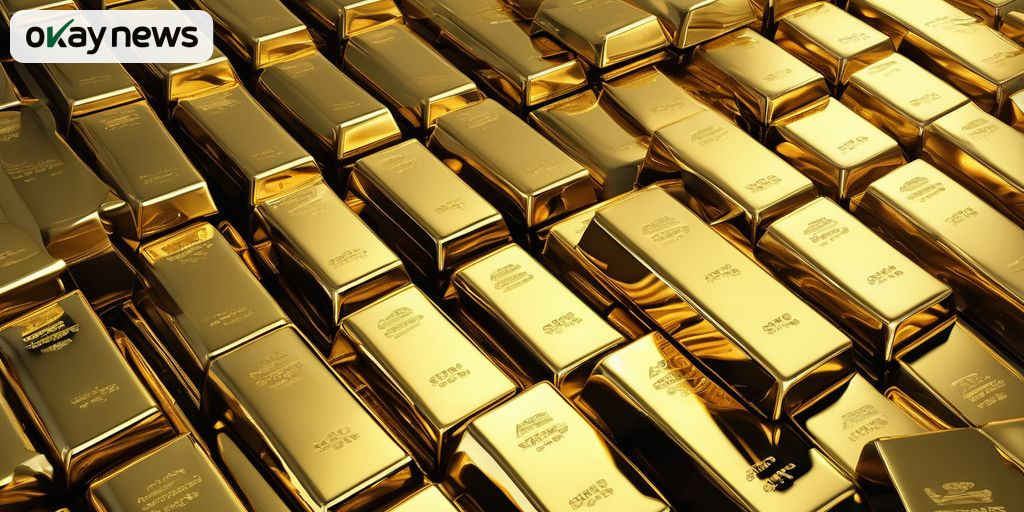
Lagos, Nigeria – Gold prices advanced on Wednesday, recovering some of the losses from the previous session, as dip-buyers entered the market on the fifth day of war in the Middle East. Bullion rose by as much as 2 percent, clawing back ground after a four-day winning streak ended on Tuesday, with traders balancing the risk premium associated with gold against a stronger dollar.
Okay News reports that spot gold rose 1 percent to $5,137.64 per ounce as of mid-morning trading. Silver climbed 2.4 percent to $83.97, recovering from a more than 8 percent drop in the previous session, while platinum and palladium each advanced nearly 2 percent. Bond yields also rose, and surging energy prices increased the risk of widespread inflation, prompting traders to scale back expectations for monetary easing.
Gold has surged by almost 20 percent this year, hitting an all-time high of $5,595 per ounce in late January, driven by ongoing geopolitical tensions and concerns about the US Federal Reserve’s independence. Markets remain on edge as the US-Israeli war with Iran continues to escalate, with Israel launching another round of strikes on Tehran on Tuesday, including an attack on a building in Qom where Iranian clerics were meeting.
Despite gold’s rally, the number of bullish bets has decreased sharply, with money managers’ net long position dropping since late January to near its lowest level in a decade. Inflationary risks driven by surging energy prices could limit further gains, as higher costs may prompt the Federal Reserve and other central banks to hold interest rates steady for longer or even increase them. Traders have priced in an 80 percent chance of more than one quarter-point rate cut by the Fed this year, down from earlier expectations of two cuts by Friday.
Oil and gas tankers are increasingly avoiding the strategic Strait of Hormuz, which carries about one-fifth of the world’s oil and gas, following US and Israeli strikes on Iran. Several vessels have turned back or delayed entry into the critical waterway, marking the first clear sign of interruptions to global commodity flows and raising concerns about energy supply and broader market stability. This gold rally reflects heightened safe-haven demand amid escalating geopolitical tensions and uncertainty in global markets.