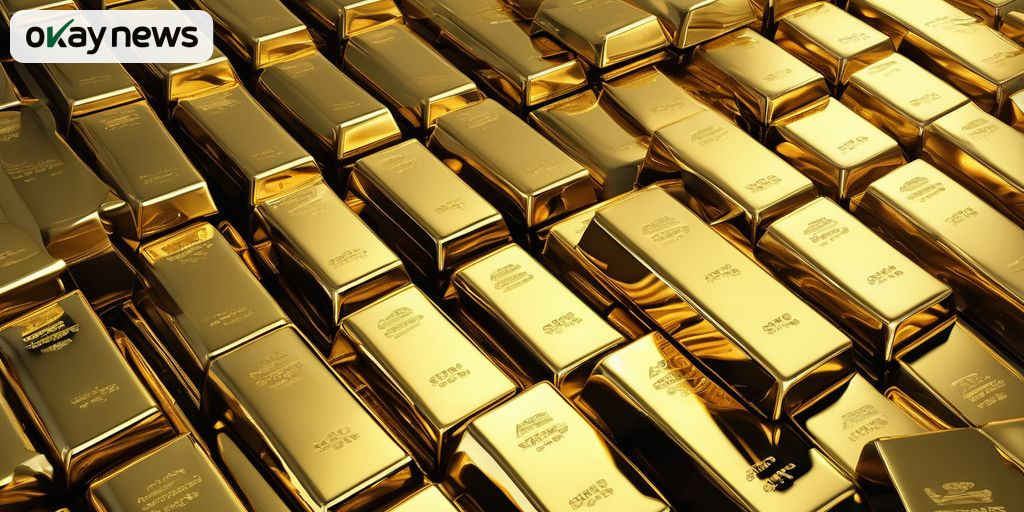
Spot gold has surpassed $4,500 per ounce for the first time on record. The precious metal rallied on escalating geopolitical tensions and expectations of further United States interest rate cuts in 2026.
Okay News reports that gold climbed nearly 1 percent in early trading before stabilising. It extended a three-day winning streak, reaching an intraday high of $4,525.77.
Silver broke $70 per ounce, peaking at $72.70. Platinum exceeded $2,300 for the first time since tracking began in 1987.
The broad rally reflects investor flight to safe-haven assets. United States sanctions on Venezuelan oil tankers contributed to uncertainty.
Gold gained nearly 70 percent in 2025, its strongest annual performance since 1979. Silver soared almost 150 percent, also on track for a record year.
Central bank purchases and steady inflows into gold-backed exchange-traded funds (ETFs) supported momentum. Holdings in major ETFs like State Street Corp.’s SPDR Gold Trust expanded over 20 percent.
Goldman Sachs forecasts potential $4,900 per ounce in 2026. Risks lean upward.
Silver’s outperformance ties to speculative flows and supply disruptions. A United States Commerce Department probe into critical minerals could trigger tariffs.
Platinum’s 10-session streak marks its longest since 2017. Tight supplies from South Africa, a dominant producer, drive a projected third annual deficit.
Technical indicators show overbought conditions. Gold’s 14-day relative strength index hit 81, silver near 82.
At midday London trading, spot gold stood at $4,494.75, up 0.2 percent. Silver traded at $72.33, platinum rose 1.2 percent.
The World Gold Council projects 15-30 percent gains in 2026. Over 50 all-time highs occurred in 2025 amid uncertainty and dollar weakness.
Institutional, retail, and central bank demand grew. Investors sought diversification and stability.
This historic rally underscores precious metals’ role as hedges. It highlights market sensitivity to policy and geopolitical shifts.