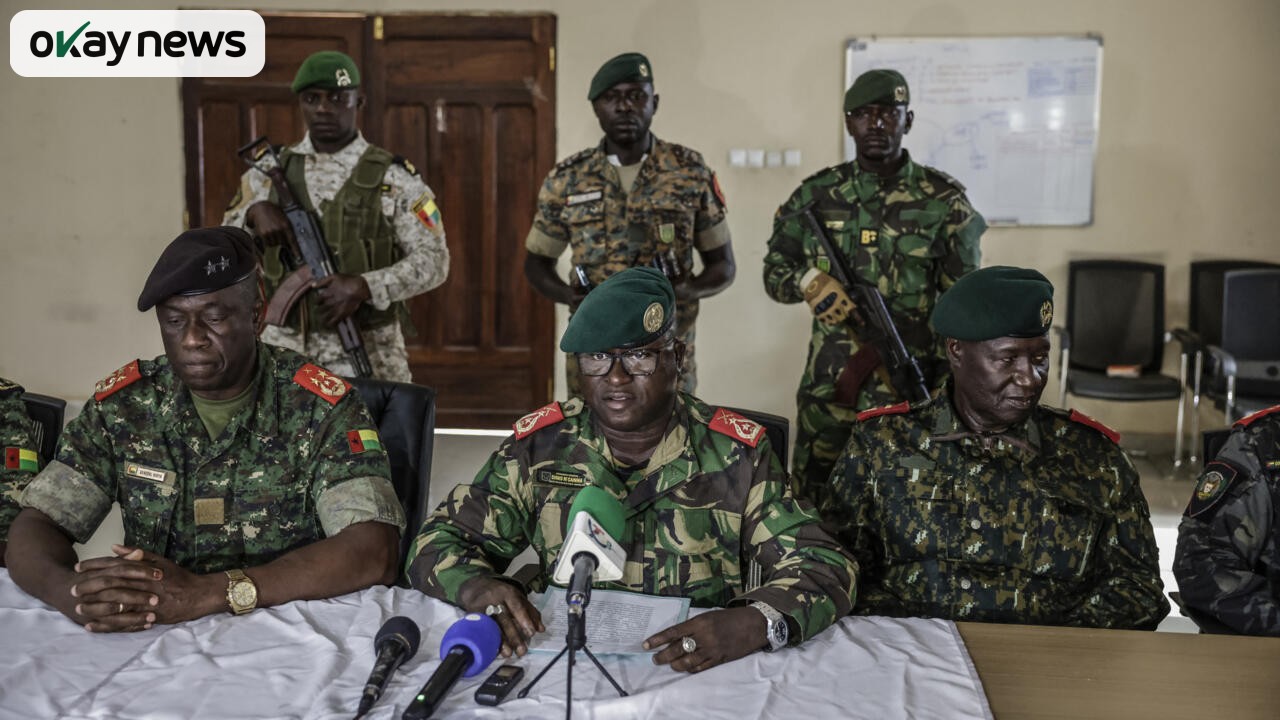
The military authorities currently governing Guinea-Bissau have officially scheduled presidential and legislative elections for December 6, 2026. The announcement marks a definitive step in the country’s transition plan, though it defies persistent calls from the West African regional bloc, ECOWAS, for a much swifter return to civilian rule.
Okay News reports that Transitional President Horta N’Tam signed the decree on Wednesday, January 21, following consultations with the National Transitional Council, military officials, and the electoral commission. Speaking to reporters after the signing, N’Tam asserted that the necessary conditions for holding free and fair elections have now been met, setting the stage for a poll later this year.
The timeline is likely to cause friction with ECOWAS, which had previously rejected the junta’s proposal for a one-year transition. The regional body suspended Guinea-Bissau from its decision-making organs following the November 2025 coup and had threatened further sanctions if the military did not accelerate the handover of power. It remains unclear how the bloc will respond to the formalization of this December date.
The junta seized power in November 2025, just hours before the official results of a disputed presidential election were due to be announced. At the time, they claimed the intervention was necessary to thwart a plot to destabilize the nation, as both ousted President Umaro Sissoco Embaló and his main challenger, Fernando Dias, had claimed victory. However, the takeover drew sharp criticism, with some observers, including former Nigerian President Goodluck Jonathan, suggesting the coup may have been staged.
Under the current transitional charter, interim leader N’Tam and his prime minister are legally barred from contesting the upcoming election. Despite this prohibition, political analysts remain skeptical, given the recent trend in West Africa where military leaders consolidate power and extend their tenures beyond agreed timelines. The coming months will determine if Guinea-Bissau can break the cycle of instability that has seen at least nine coup attempts since independence.