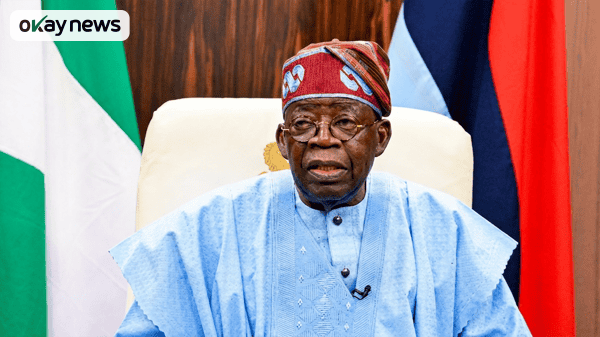
The Independent Petroleum Marketers Association of Nigeria (IPMAN) has expressed strong support for President Bola Ahmed Tinubu’s decision to restructure the leadership of Nigeria’s oil regulatory agencies, describing it as a pivotal step toward improving governance and regulatory oversight in the country’s petroleum industry.
Okay News reports that IPMAN National President, Alhaji Abubakar Maigandi Shettima, made the remarks on Thursday, 18 December 2025, in Abuja, Nigeria’s capital, while addressing recent developments in the oil and gas sector. He highlighted the growing collaboration between the association and the Dangote Petroleum Refinery as a positive outcome of the leadership adjustments.
The news followed the resignation of Farouk Ahmed, Chief Executive of the Nigerian Midstream and Downstream Petroleum Regulatory Authority (NMDPRA), and Gbenga Komolafe, Chief Executive of the Nigerian Upstream Petroleum Regulatory Commission (NUPRC), on Wednesday, 17 December 2025. Their resignations came amid controversies involving Aliko Dangote, Africa’s richest businessman and founder of the Dangote Group, over fuel importation, pricing, and regulatory matters in Nigeria’s downstream petroleum sector.
Commenting on the leadership changes, Shettima said, “The focus of the Dangote and IPMAN partnership has always been geared towards making life better for Nigerians. And of course, this blooming partnership would never have been possible without the pragmatic leadership of President Bola Ahmed Tinubu, and his sound judgment in readjusting the leadership of the NMDPRA and the NUPRC.”
He further emphasized that IPMAN’s long-standing position is the need to prioritize domestic refining to eliminate the importation of petroleum products, warning that continuing imports could endanger Nigeria’s economy. “Continuous import is not an acceptable parallel business model because issuing import licenses recklessly distorts market dynamics, drains foreign exchange, enthrones poverty, destroys jobs, and scares potential investors away,” Shettima said.
The IPMAN president reiterated that a functional domestic refining ecosystem would reduce logistics costs, stabilize fuel prices, improve the naira’s value, and create thousands of direct and indirect jobs across Nigeria’s downstream petroleum value chain. He called for consistent regulatory policies to sustain investor confidence and prevent disruptions in the sector.