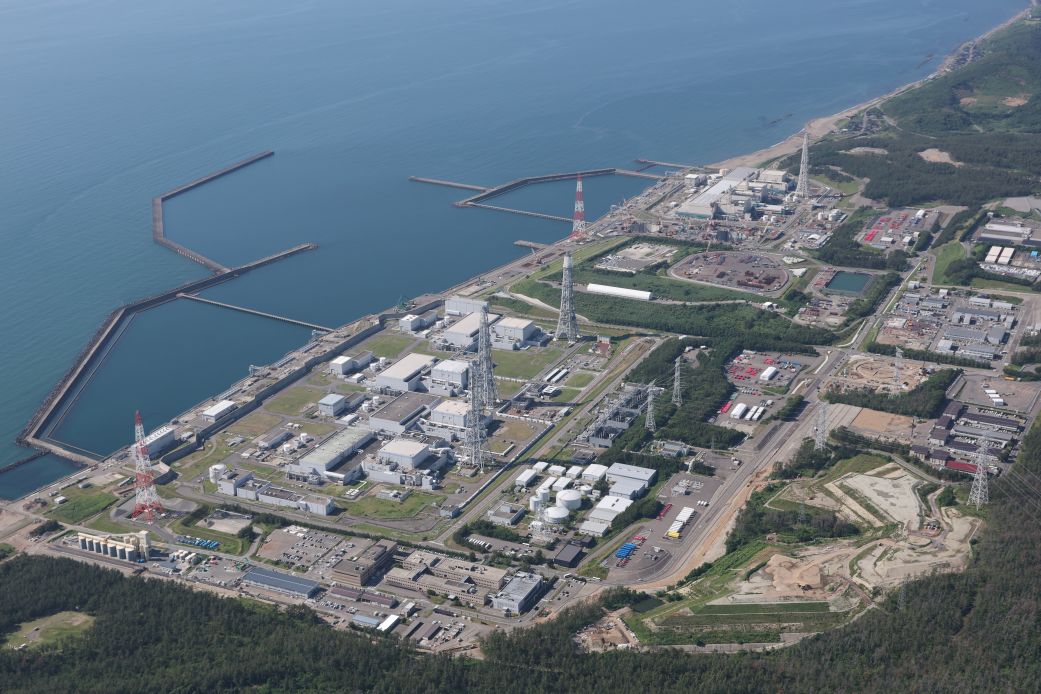
Japan has cleared a major political hurdle toward bringing the world’s biggest nuclear power plant back online.
Okay News reports that the initiative comes nearly 15 years after the Fukushima disaster forced the shutdown of the country’s reactors. A regional assembly vote in Niigata Prefecture has effectively opened the door for Tokyo Electric Power Company (TEPCO) to resume operations at the Kashiwazaki-Kariwa nuclear facility.
The plant, located along the Sea of Japan coast northwest of Tokyo, was closed in 2011 following the earthquake and tsunami that triggered the Fukushima Daiichi nuclear accident. Since then, Japan has cautiously restarted only a portion of its nuclear fleet as it seeks to reduce dependence on costly fossil fuel imports. Kashiwazaki-Kariwa would become the first reactor complex operated again by TEPCO, the same company that ran the Fukushima plant, making the decision particularly sensitive.
Lawmakers in Niigata voted to back Governor Hideyo Hanazumi, who has endorsed the restart, despite visible divisions within the community. While supporters point to potential job creation and more stable electricity prices, critics argue the decision does not reflect public opinion. Hundreds of protesters gathered outside the assembly building, expressing fears over safety and the long-term consequences of another possible nuclear accident.
TEPCO has indicated it may restart the first of the plant’s seven reactors as early as January, with additional units planned in the coming years. The facility has a total generating capacity of 8.2 gigawatts, enough to supply electricity to millions of households, and could boost power availability in the Tokyo region. The company has pledged significant financial investment in the prefecture and reiterated its commitment to safety, though concerns remain strong among residents.
The restart aligns with Prime Minister Sanae Takaichi’s push to strengthen Japan’s energy security amid rising fuel costs and growing electricity demand from sectors such as artificial intelligence and data centres. The government aims to double nuclear power’s share of the national energy mix by 2040 as part of its climate and energy strategy. Still, for many locals—especially those displaced by Fukushima—the revival of nuclear power remains a painful reminder of past trauma and an uncertain future.