




Lagos, Nigeria – MTN Nigeria invested N1 trillion (approximately $640 million) in network capacity in 2025, more than doubling its prior year capital expenditure, while paying N878.7 billion in taxes and levies during the year, reinforcing its position as one of Nigeria’s largest corporate taxpayers.
Okay News reports that CEO Karl Toriola disclosed the figures in the company’s audited financial results for the year ended December 31, 2025. The steep jump in investment followed last year’s approval of a 50 percent increase in tariff for the telecommunications industry, with a condition that all operators must deliver improved service quality to Nigerians. Toriola stated that the company more than doubled network investment to strengthen service quality and user experience in line with its commitment to customers and the government, while positioning for growth in an increasingly data-driven market.
The telecom giant secured a three-year spectrum lease with T2 Mobile as part of its national roaming agreement. It grew its mobile subscriber base to 87.3 million during the period, adding 6.4 million new users. Active data users rose to 53.2 million, up by 5.5 million year on year, as smartphone penetration and digital adoption continued to expand. Data traffic on the network surged 34 percent, underpinning strong service revenue growth, with overall service revenue climbing 55.1 percent for the year.
On the back of topline growth and improved cost management, MTN delivered a significant turnaround in profitability. Earnings before interest, tax, depreciation and amortisation more than doubled, rising 108.9 percent to N2.7 trillion. The company reported a profit after tax of N1.1 trillion, representing a 377.9 percent increase year on year and a sharp reversal from the N400.4 billion after-tax loss recorded in 2024. Free cash flow rose 215.5 percent to N1.2 trillion.
On January 20, 2025, the Nigerian Communications Commission approved the 50 percent increase in the cost of calls, data, and SMS, marking the first major adjustment in telecom pricing in over a decade. According to the Chairman of the Association of Licensed Telecommunication Operators of Nigeria, the tariff increase approval saved the industry from collapse. The investment surge demonstrates how the tariff hike enabled operators to reinvest in infrastructure and service quality. Sustained benefits from the tariff hike will depend on continued capital deployment and regulatory consistency.


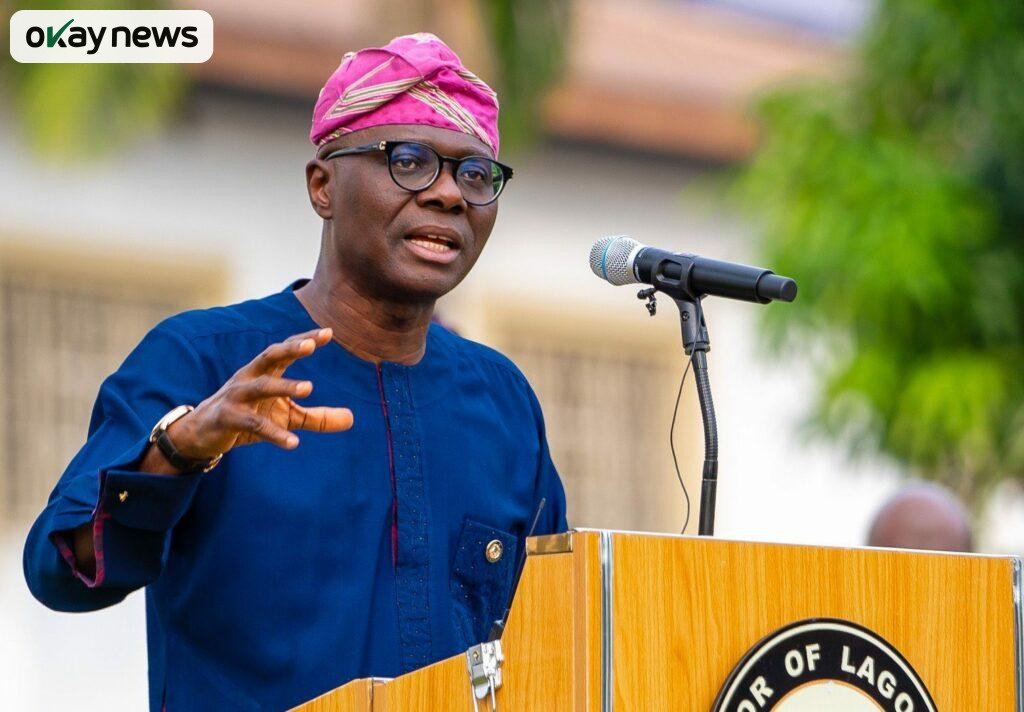


 in network capacity in 2025, more than doubling its prior year capital expenditure, while paying N878.7 billion in taxes and levies during the year, reinforcing its position as one of Nigeria's largest corporate taxpayers.)