
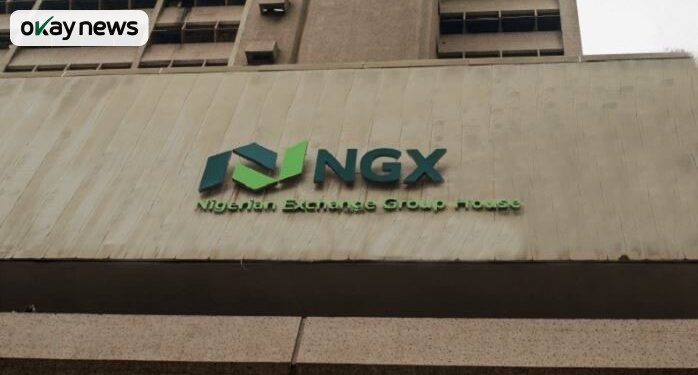
LAGOS, NIGERIA — The Nigerian Exchange Group has outlined a roadmap for integrating digital assets into Nigeria’s financial system, with Dr. Umaru Kwairanga stressing that market development must be anchored on strong regulation and disciplined risk management.
He spoke at the 2026 Investment Advisers and Portfolio Managers’ Conference in Lagos, where he said innovation in capital markets must be balanced with safeguards to ensure long-term stability. “We remain actively engaged with stakeholders to ensure that innovation, including emerging asset classes, is integrated responsibly within a well-regulated framework,” Kwairanga said.
Digital assets are reshaping traditional financial systems by creating new opportunities for capital formation and financial inclusion, according to him. However, he said growth in the sector must be guided by clear regulatory safeguards to prevent systemic risks.
Kwairanga added that the future of Nigeria’s capital market depends on maintaining a balance between regulatory clarity and strong ethical standards among market operators.
The position comes amid rising calls for clearer digital asset regulations in Nigeria. Earlier in the year, fintech operators urged the Central Bank of Nigeria to define permissible cryptocurrency-related activities for licensed institutions, citing uncertainty as a constraint on innovation and investment.
Okay News reports that digital assets are seen as tools for improving cross-border payments and expanding financial inclusion, based on findings from the CBN Fintech Report. However, regulatory ambiguity has continued to slow adoption and limit institutional participation.
The Nigerian Exchange Group is also advancing efforts to modernise market infrastructure. Kwairanga cited NGX Invest as a key initiative that has digitised primary market offerings, replacing paper-based processes with a digital platform that improves access and broadens investor participation.
He described investment advisers and portfolio managers as “custodians of capital,” noting that their role remains critical in sustaining market integrity. He called for stronger collaboration among regulators, operators, and investors to ensure the system remains both innovative and resilient.
Regulatory oversight is tightening across the sector. In January 2026, the Securities and Exchange Commission introduced a ₦2 billion minimum capital requirement for cryptocurrency exchanges, with a compliance deadline set for June 30, 2027.
The evolving framework signals Nigeria’s effort to support digital innovation while safeguarding the stability of its financial system.