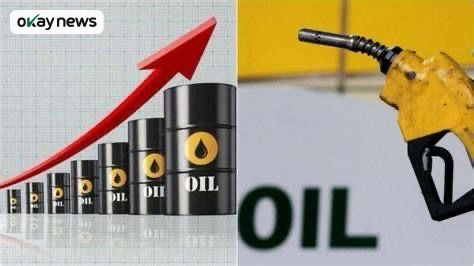
Lagos, Nigeria – Nigerian crude oil has surged past $70 per barrel, trading above the Federal Government’s 2026 budget benchmark of $64.85 amid rising geopolitical tensions and growing supply disruption risks. Bonny Light, a key Nigerian crude grade, was trading at approximately $71 per barrel, reflecting a modest pullback from Monday’s levels of $72.3.
Okay News reports that rising geopolitical risk premiums, particularly outside the Middle East, have made oil one of the best-performing asset classes this year. US military forces are gathering in the Red Sea area ahead of the third round of US-Iran nuclear talks scheduled for Thursday in Geneva. The risk of supply disruption is heightened by ongoing Iranian naval exercises in the Strait of Hormuz, a vital route transporting about 20 million barrels of oil daily.
Nigerian crude is prized globally for being light and sweet, with low sulfur content and high API gravity that make it cheaper to refine into high-value products like diesel and gasoline. Meanwhile, the market faces potential supply increases in the medium term, with the US Energy Information Administration forecasting global inventories to rise by an average of 3.1 million barrels per day this year as production growth outpaces consumption.
Trade uncertainties have resurfaced after the US administration signaled plans to introduce new national security tariffs, including a proposed 15 percent global tariff that has reignited concerns about global growth and energy demand. Amid this mixed outlook, attention is now focused on the American Petroleum Institute’s weekly crude stock data, which could provide fresh direction for prices.
Nigeria’s 2026 budget is based on a conservative crude price of $64.85 per barrel with an ambitious daily production target of 1.84 million barrels. Production in January stood at approximately 1.48 million barrels per day, just below the OPEC+ target of 1.5 million. The country launched a new crude grade, Cawthorne, in February alongside Utapate and Obodo introduced in previous years.
The Dangote Refinery, with capacity exceeding 650,000 barrels per day, has fundamentally shifted Nigeria’s oil landscape. The refinery recently operated at 661,000 barrels per day, exceeding its designed capacity, and has made Nigeria self-sufficient in premium motor spirit. Dangote is now supplying between 60 million and 65 million litres of petrol daily to the domestic market, with surplus volumes exported. Crude theft and pipeline vandalism, which cost billions in revenue, saw their first decrease in 16 years during the 2025 to 2026 period due to new security measures. The government launched a licensing round for 50 oil and gas blocks in January, aiming to attract over $10 billion in new investments.