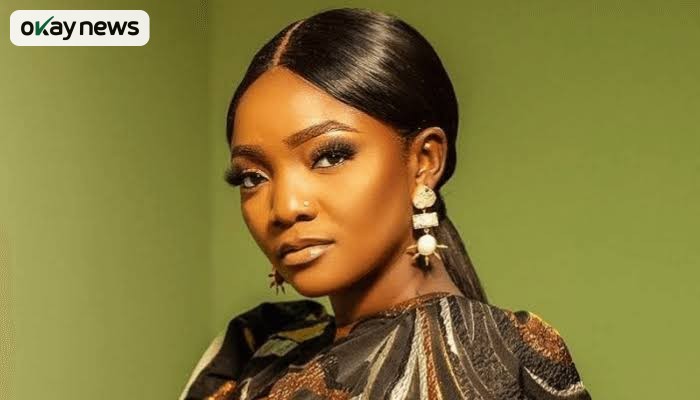
LAGOS, Nigeria — Nigerian music star Simi has publicly responded after old social media posts she wrote more than a decade ago resurfaced online, triggering criticism across digital platforms.
The controversy follows renewed public debate in Nigeria about sexual violence and rape culture, particularly discussions linked to an ongoing rape allegation involving Mirabel. Within that tense online climate, several of Simi’s old posts on the social media platform Twitter, now known as X, were rediscovered and widely shared, leading to intense reactions from users.
Simi, whose full name is Simisola Kosoko, is a well known Nigerian singer and songwriter with a large following both in Nigeria and internationally. In a statement posted on Sunday, February 22, 2026, she explained that the tweets in question were written 14 years ago, when she was 23 years old and working to build her music career while assisting at her mother’s daycare centre.
She insisted that the posts reflected ordinary moments in her life at the time and were not written with any inappropriate intent. According to her, the meaning of those posts has now been distorted.
“I haven’t been on Twitter today – but someone brought a few of my old tweets to my attention and I can’t not address it. 14 years ago, I was 23, so I was definitely not a child. I’m not here to make excuses because I don’t have anything to make excuses for. What I can’t let anyone do is twist my story to fit false narratives.
“I haven’t been on twitter today – but someone brought a few of my old tweets to my attention and I can’t not address it.14 years ago, I was 23, so I was definitely not a child. I’m not here to make excuses because I don’t have anything to make excuses for. What I can’t let…”
“In 2012, I lived and helped out at my mom’s daycare while I was hustling my music. I tweeted everything that happened in my life, as we all did at the time. Kids can be mischievous. If a child did something I found funny, I tweeted about it. Kids are cute and lovable. I want to hug, kiss and cuddle them. I tweet about it. Nothing I tweeted was from perversion.
“I was not famous, so maybe if I was, I would have understood that anything is open to whatever interpretation including being used falsely by a faceless mob. I’ve never been depraved in my life. You can retweet all the tweets in the world about me loudly crushing on people I admired. Or being a cheeky young woman. I wasn’t trying to hide it, because I don’t have anything to hide.
“My team has been deleting some of my tweets because of how sensitive it is for my family. To be honest, I did not want to. I have always spoken against rape and sexual assault even before you knew I existed. It’s not a costume I’m wearing, it’s who I am. I’ve never claimed to be perfect. I’ve never claimed to know everything. I said stop raping women. I stand by it.”
Okay News reports that the renewed scrutiny intensified after comments from Nigerian music producer Samklef, who publicly called for an apology from Simi’s family and claimed he played a role in supporting her early music career.
The episode highlights the growing impact of digital footprints in an era where past online expressions can be revisited and reinterpreted years later. It also reflects broader conversations in Nigeria about accountability, celebrity influence, and the evolving understanding of consent and sexual misconduct.
For Simi, the immediate focus appears to be clarifying her position and reaffirming her long standing opposition to rape and sexual assault as debate around her continues online.