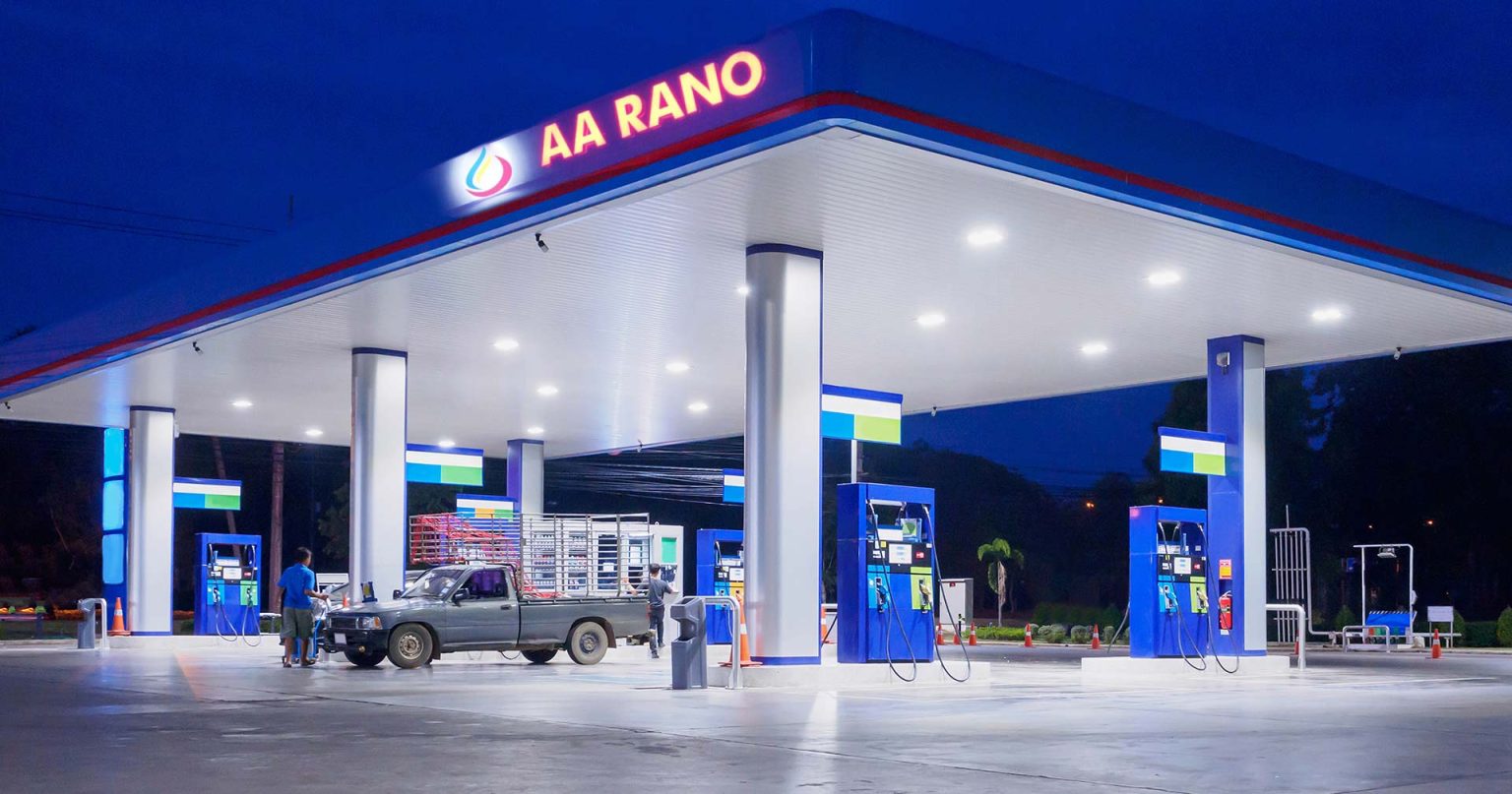
Petrol station workers operating under the platform of the Concerned Petrol Station Workers have openly opposed plans by AA Rano, a Nigerian downstream petroleum marketing company, to introduce what it described as the country’s first fully automated and unmanned fuel stations.
The workers warned that the proposed move, if carried out without adequate social and labour safeguards, could deepen unemployment levels and worsen insecurity across Nigeria, Africa’s most populous country and largest oil producer.
AA Rano had earlier announced that it would begin rolling out the automated fuel stations in January, explaining that the outlets would operate a twenty four hour self service fuelling system powered by modern technology. According to the company, the stations would rely on contactless payment platforms, real time monitoring systems, and automated fuel dispensing infrastructure, effectively removing the need for on site pump attendants.
Okay News reports that the announcement has generated strong reactions among petrol station workers across the country, particularly those who fear job losses in an already strained labour market.
Reacting to the development, the convener of the Concerned Petrol Station Workers and a labour rights advocate, Comrade Ibrahim Zango, expressed deep concern over the potential human cost of the initiative.
In a statement released in Kaduna, a major commercial and political city in northern Nigeria, on Thursday, Zango warned that thousands of young Nigerians currently working as petrol station attendants could lose their primary source of income.
He argued that the timing of the innovation was inappropriate, given Nigeria’s current economic realities, including rising unemployment, increasing cost of living, and persistent security challenges.
“At a time when Nigeria is already grappling with mass unemployment, rising cost of living, and growing insecurity, deploying job eliminating technology without safeguards is dangerous,” Zango said.
He stressed that petrol station jobs support thousands of families nationwide and should not be discarded without a clear transition framework.
“So imagine the number of AA Rano fuel stations alone across the country and even beyond. Imagine the number of pump attendants working and earning their living from these stations,” he added.
Zango further noted that many of the affected workers had spent decades in the sector and deserved protection rather than sudden displacement.
“To us, sending us out of the jobs some of us have been doing for decades without robust plans will only multiply our crisis as a country,” he stated.
While acknowledging the importance of technological progress, Zango maintained that innovation in the downstream petroleum sector should create alternative employment opportunities rather than eliminate existing ones.
He called on the Federal Government of Nigeria and relevant regulatory institutions overseeing the oil and gas industry to urgently formulate policies that balance technological advancement with labour protection.
The workers’ leader also appealed directly to AA Rano’s management to demonstrate corporate social responsibility, noting that many petrol station attendants began their careers under similar circumstances as the company’s leadership.
“They should not be pushed out of their livelihoods in the name of innovation,” Zango said, urging dialogue among the company, workers, and government regulators before the project is implemented.