Portugal has effectively severed its reliance on Russian natural gas, a significant shift in its energy strategy following the Kremlin’s invasion of Ukraine. The country is now actively pursuing increased imports of liquefied natural gas (LNG) from the United States and Nigeria to further solidify its energy independence.
This strategic move reflects a growing trend across Europe to diversify energy sources and reduce dependence on Russian fossil fuels. While the European Union has imposed sanctions on Russian pipeline gas, LNG imports via sea remain permissible.
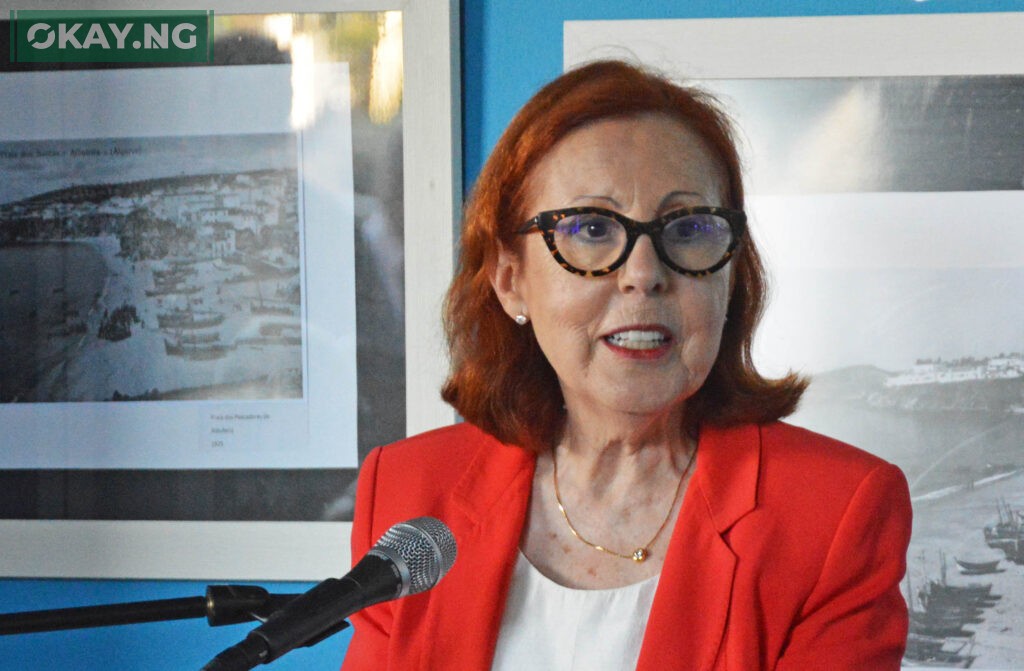
“Portugal is now practically independent of Russian gas,” Environment Minister Maria da Graca Carvalho stated at the World Economic Forum in Davos, as reported by the Portuguese economic website ECO. “But we want to reduce this figure further by importing more gas from Nigeria and the United States.”
This shift in energy policy is a testament to the geopolitical realities of the post-invasion era. Portugal, like many European nations, is grappling with the urgent need to secure reliable and sustainable energy supplies while mitigating the risks associated with reliance on a single supplier.
Read Also: Trump’s Energy Policy Poses Critical Threat to Nigeria’s Oil-Dependent Economy
The data paints a clear picture of this transformation. In 2024, LNG accounted for a staggering 96% of Portugal’s natural gas imports, totaling 49,141 gigawatt-hours (GWh). Nigeria emerged as the leading supplier, contributing 51% of these imports. The United States followed closely, providing approximately 40%.
This stark contrast with 2021, when Russia supplied 15% of Portugal’s LNG imports, underscores the dramatic shift in the country’s energy landscape.
While this move aligns with the broader European push for energy independence, challenges remain. Minister Carvalho highlighted the need for enhanced cooperation within the European Union, particularly in addressing the issue of interconnectivity. She emphasized that the Iberian Peninsula remains an “energy island,” hampered by limited grid connections with France.
This isolation presents a significant obstacle to the seamless integration of renewable energy sources and the efficient flow of electricity across the continent. Overcoming this challenge will be crucial for Portugal to fully realize its energy transition goals and contribute to a more resilient and sustainable energy future for Europe.