


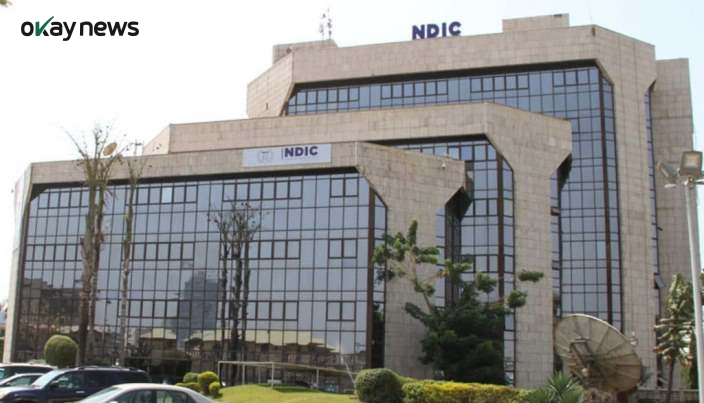
Former Nigerian Senator Farouk Bello Bunza, who represented Kebbi Central, has vowed to sue the Nigeria Deposit Insurance Corporation (NDIC) over its revocation of a N4.5 billion property sale. He insists the decision lacks legal basis and breaches the original agreement.
Okay News reports that Bunza contested the NDIC’s move to cancel the purchase of a luxury property on Banana Island in Lagos, Nigeria’s commercial hub. The asset previously belonged to the defunct Heritage Bank, which NDIC liquidated.
Bunza questioned whether the revocation stemmed from his contract with Heritage Bank or a September 23 letter from NDIC. He argued the corporation itself admitted limited powers to void the prior agreement.
The former senator described the letter as NDIC’s positional statement, not a new contract. It outlined requirements including payment of N4.76 billion total, recognition of his N833 million deposit from nearly three years ago, and settlement of alleged N1.7 billion rental arrears.
Further conditions involved paying the N2.148 billion balance within six months and signing a deed of undertaking. Bunza claimed full compliance, including immediate clearance of the balance rather than over six or the previously mentioned 36 months.
“To fulfil all righteousness, I also executed the deed of undertaking within the stipulated time, and all these were duly acknowledged by NDIC,” Bunza stated.
He accused NDIC of withholding information on title document issues for nearly two years. Concerns only surfaced after he completed payments.
Bunza disputed claims he sought 36 months for the balance. Records show transfer via Coronation Merchant Bank within 24 hours of NDIC’s confirmation.
He dismissed explanations about junior officers signing payment acknowledgements. The same officers later communicated the revocation.
The former senator challenged NDIC’s property revaluation citing sea reclamation. He countered that an access road actually reduced the plot size.
Bunza linked alleged missing documents to possible improper alterations at the lands registry. He vowed to present all evidence in court.
“All these issues will be presented before the court,” he declared.
This dispute highlights tensions in asset disposal during bank liquidations in Nigeria. It raises questions on contractual enforcement and transparency.
The case may set precedents for NDIC’s handling of failed bank properties and buyer agreements.


 over its revocation of a N4.5 billion property sale. He insists the decision lacks legal basis and breaches the original agreement.)