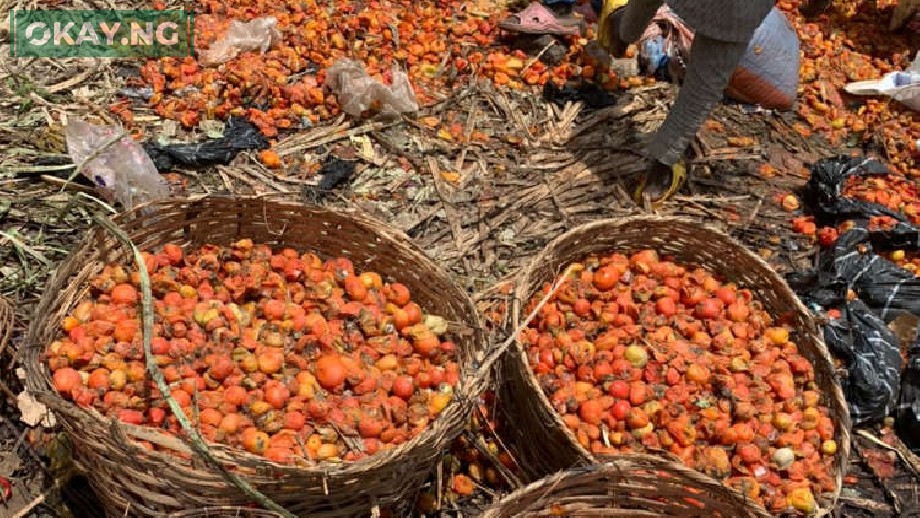
A devastating infestation of the Tuta Absoluta virus, ominously nicknamed “Tomato Ebola,” has sent shockwaves through Nigeria’s agricultural sector, triggering a significant surge in tomato prices nationwide. The rapid spread of this destructive pest, capable of decimating entire tomato crops within 48 hours, has left farmers reeling and consumers facing escalating costs.
Tomato growers across the country, voicing their concerns to the News Agency of Nigeria (NAN), paint a grim picture of widespread crop devastation. “The invasion of the Tuta Absoluta pest, which began in early March, has ravaged several farms in the northern region,” explains Mr. Rabiu Zuntu, Chairman of the Tomato Growers and Processors Association of Nigeria. This pest, also known as the Tomato Leaf Miner, thrives in hot, humid conditions, which have been unusually prevalent recently.
The impact on market prices is stark. “Currently, a 50kg basket of tomatoes sells for about N30,000 in northern markets due to the infestation,” Zuntu reveals. “Before the outbreak, the same basket was sold for between N5,000 and N10,000.” This drastic price hike reflects the severe disruption in supply, even during what should be the peak harvest season.
The Tuta Absoluta’s rapid reproductive cycle, with females laying up to 300 eggs and producing 10 to 12 generations a year, exacerbates the problem. Its ability to cause up to 100% crop loss underscores the urgency of effective pest management strategies.
While complete prevention is challenging, given the unavoidable nature of humidity, growers are exploring mitigation measures. “Humidity in the soil is a major factor contributing to the rapid spread of Tuta Absoluta on infected tomato farms,” Zuntu notes. Even disease-resistant seeds offer limited protection.
Mr. Bola Oyeleke, the National President of the Tomatoes and Orchard Processors Association of Nigeria (TOPAN), offers a nuanced perspective. “Tomato harvest is currently ongoing across the country, so the impact of the Tuta Absoluta virus is not as severe as it was during the off-season.” However, he acknowledges the ongoing threat, particularly to newly planted crops.
“To prevent recurring outbreaks, local farmers must collaborate,” Oyeleke emphasizes. He advocates for the adoption of Integrated Pest Management (IPM) strategies, which combine various methods to control pests effectively. Additionally, he stresses the importance of technological advancements in land preparation. “Collaborative land preparation can help reduce pest infestations and prevent future outbreaks.”
The situation underscores the vulnerability of Nigeria’s agricultural sector to invasive pests and the urgent need for robust pest management strategies. As I’ve observed, the impact on local economies and food security is profound. The necessity for farmers to adapt and adopt modern agricultural practices is greater than ever. Future solutions must include widespread education, technological support, and community collaboration to safeguard this vital crop.