
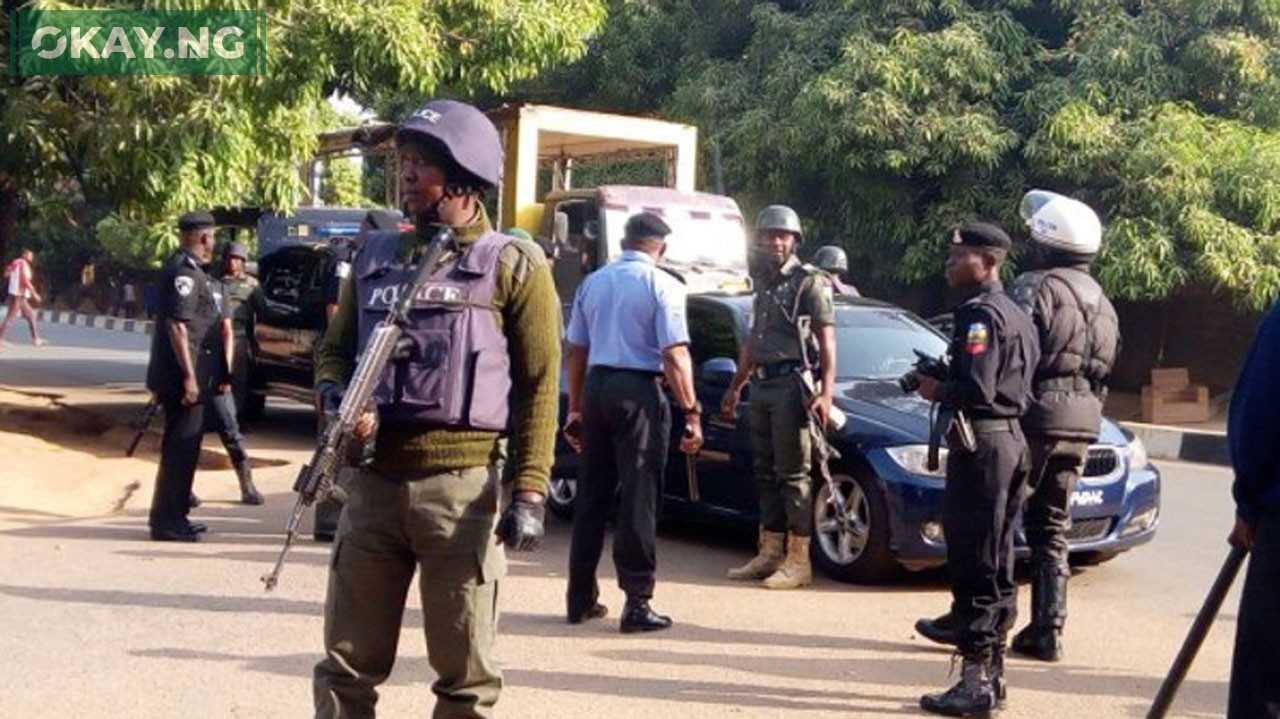
Amid intensifying insecurity across Nigeria, at least 21 states have collectively earmarked a staggering ₦132.73 billion for security votes in the first half of 2025, according to official budget performance reports.
The revelations come at a time when Nigerians are reeling from repeated waves of killings, kidnappings, and property destruction by armed groups.
On Sunday night, tragedy struck the Ikn’gwakap community in Mushere Chiefdom of Bokkos Local Government Area, Plateau State, where gunmen stormed the village around midnight, shooting sporadically and setting homes ablaze. Six people were killed in the attack.
Confirming the incident, the National Publicity Secretary of the Mushere Youth Movement, Kutyil Nahum, described the situation as devastating.
This attack followed earlier bloodshed in Darajamal, a resettled community in Bama Local Government Area of Borno State, where at least 63 people—including five soldiers—were killed during a Boko Haram assault. Governor Babagana Zulum, who visited the site afterward, called the massacre “very sad.”
Similarly, in August, bandits attacked a mosque in Malumfashi Local Government Area of Katsina State, killing 32 worshippers during dawn prayers.
Despite these tragedies, 21 states—including Zamfara, Kano, Katsina, Imo, Kaduna, Adamawa, Kogi, Bauchi, Borno, Benue, and Lagos—have set aside billions under the controversial “security votes” system.
Borno tops the list with ₦32.8bn, followed by Benue (₦15.6bn), Ondo (₦11.5bn), and Delta (₦10.6bn). At the bottom are states like Kwara (₦350m), Taraba (₦503.8m), and Lagos (₦596m).
Security votes, created under the military era of General Yakubu Gowon, are discretionary funds meant for urgent intelligence and security operations. However, critics argue they have become a “statutory drainpipe,” often exploited for political patronage.
“What is a security vote? What are they doing with the security vote? Don’t we still have killings in the North? Don’t we still have bad roads, dilapidated structures and hospitals? Governments cannot provide health care services to their citizens. They cannot provide education. They cannot provide road infrastructure. Electricity is questionable. What are they doing with the money? What are they doing with the security vote?” asked Jamilu Charanchi, National Coordinator of the Coalition of Northern Groups.
Charanchi stressed that poverty fuels insecurity, alleging governors benefit from the system’s opacity.
okaynews.com reports that the secrecy and accountability gaps in managing security votes remain major concerns for civil society organizations and ordinary Nigerians who are left vulnerable.