By using this site, you agree to the Privacy Policy and Terms of Use.
Accept
Okay News
  • News
  • Politics
  • Business
  • Technology
  • Security
  • Entertainment
  • Sports
Reading: No Abolition of Junior and Senior Secondary Schools Yet, Education Minister Clarifies
Font ResizerAa
Okay NewsOkay News
  • News
  • Politics
  • Business
  • Technology
  • Security
  • Entertainment
  • Sports
Follow US
2026 © Okay International Limited - All rights reserved
EducationNews

No Abolition of Junior and Senior Secondary Schools Yet, Education Minister Clarifies

Muhammad A. Aliyu
By
Muhammad A. Aliyu
ByMuhammad A. Aliyu
Muhammad Ameer Aliyu is a prolific journalist who joined Okay News in 2015, aiming to contribute to the platform's positive growth. Currently serving as the Senior...
Follow:
Published: 2025/02/07
2 Min Read
Share
SHARE

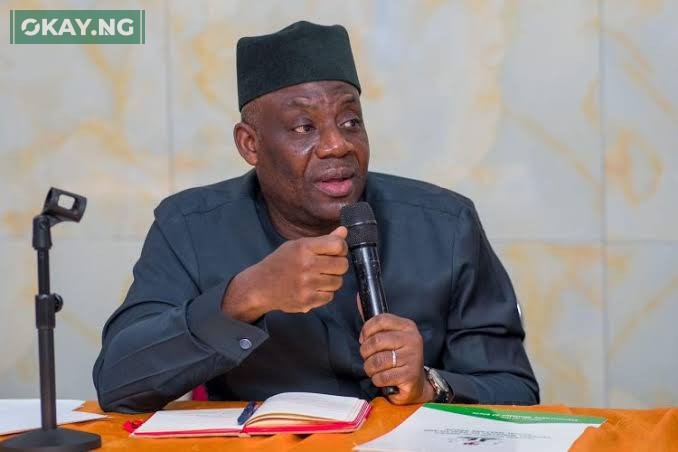
The Federal Government has dismissed claims that it has abolished the Junior Secondary School (JSS) and Senior Secondary School (SSS) education system. Minister of Education, Dr. Tunji Alausa, clarified that while discussions about reforms are underway, no final decision has been reached.

A media report recently alleged that the federal government had replaced the 6-3-3-4 system with a 12-4 model during the 2025 extraordinary National Council on Education (NCE) meeting in Abuja. Addressing the claims, Dr. Alausa explained that the government is still in the deliberation phase.

“We haven’t even got to the implementation phase. The National Council of Education, the highest decision-making body on education policies, must first approve any change,” he said.

The minister revealed that the proposed system aims to extend Nigeria’s compulsory basic education from nine to 12 years. He emphasized that this would strengthen foundational knowledge among students, a goal inspired by past systems that produced more well-rounded graduates.

- Advertisement -

“That means we’re just training people that have no clue, that need training. We have nine years now, but we’re proposing to increase it to 12 years of compulsory education,” Alausa noted.

Dr. Alausa further argued that the new model would align Nigeria with global standards and ensure students are better prepared for higher education. “A continuous curriculum promotes better standardisation, quality assurance, and improved educational outcomes,” he added.

Highlighting another concern, the minister pointed out that bright students often face delays entering universities due to age restrictions. “Bright students completing secondary school at 16 are forced to wait until they turn 18. This delays their development and could worsen mental health issues,” he said.

Despite the ongoing deliberations, Dr. Alausa assured Nigerians that no changes to the education system would take effect before the last quarter of 2025.

Follow Okay News channel on WhatsApp
Add as a preferred source on Google
Follow Okay News on Instagram
- Advertisement -

TAGGED:FGTunji Alausa
Share This Article
Facebook Pinterest Whatsapp Whatsapp Email Print
Previous Article Ports Authority Tariff Increase Nigerian Ports Authority Secures 15% Tariff Increase After 30 Years, Sparks Debate
Next Article NAFDAC DG, Prof Mojisola Adeyeye NAFDAC DG Proposes Death Penalty for Drug Peddlers

Stay Connected

FacebookLike
XFollow
InstagramFollow
TiktokFollow
WhatsAppFollow
- Advertisement -

More News

News

Mark Zuckerberg, Elon Musk Appear in Epstein Files Dinner Photo

By Adamu Abubakar Isa
2 Min Read
News

Senator Ibrahim Says Senate’s Electoral Act Changes Follow Supreme Court Guidance

By Oluwadara Akingbohungbe
5 Min Read
Pope Leo XIV
News

Pope Leo Condemns Attacks in Nigeria, Urges Stronger Protection for Citizens

By Adamu Abubakar Isa
1 Min Read
Okay NewsOkay News
2026 © Okay International Limited - All rights reserved
  • About Us
  • Advertising
  • Contact
  • Careers
  • Team
Welcome Back!

Sign in to your account

Username or Email Address
Password

Lost your password?

Continue with Facebook
Not a member? Sign Up