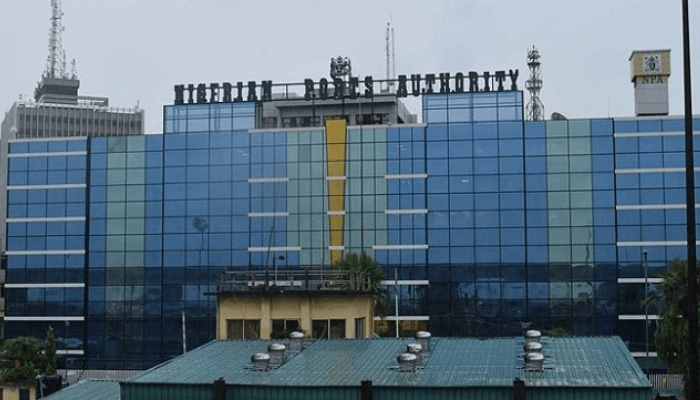
The Nigerian Ports Authority (NPA) has finally secured approvals to increase its tariffs by 15 percent, the first such adjustment in a staggering 30 years. This landmark decision, while necessary for the long-term health of the nation’s maritime sector, has ignited a heated debate among stakeholders.
For decades, Nigeria’s ports have grappled with the twin burdens of ageing infrastructure and obsolete equipment, severely hampering their competitiveness on the global stage. The lack of significant investment in port modernisation has resulted in slow expansion, leading to chronic congestion and delays that cripple trade and add significant costs to the Nigerian economy. Recognising the urgent need for a turnaround, the NPA has moved to address these critical issues through this much-needed tariff adjustment.
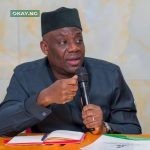
“This tariff review will serve as the crucial funding mechanism for a comprehensive overhaul of our port infrastructure,” declared Abubakar Dantsoho, the managing director of the NPA. “We envision a future where our ports are equipped with cutting-edge technology, including a robust Information and Communications Technology (ICT) backbone to underpin the Port Community System (PCS) and National Single Window (NSW). These digital advancements are essential for streamlining port operations, reducing delays, and enhancing efficiency.”
Read Also: New National Flag Carrier on the Horizon
The increased revenue stream will also be directed towards vital maintenance projects, such as the critical reconstruction of the Escravos Breakwaters and much-needed upgrades at key ports like Rivers, Onne, and Calabar. These investments are critical for ensuring the safety and navigability of our waterways, a cornerstone of any thriving maritime nation.
While the need for a tariff increase is widely acknowledged – with inflation currently hovering at a staggering 34.8 percent, operational costs have skyrocketed – stakeholders have expressed varying perspectives on the magnitude and potential impact of this adjustment.
Joshua Asanga, a former general manager at the NPA, emphasised the critical need for significant investments in port infrastructure. “We must modernise our tugboats, upgrade our ICT systems, and streamline our operations,” Asanga stated. “Without these improvements, our ports will continue to lag behind regional competitors, further eroding Nigeria’s position in global trade.”
Another key stakeholder echoed these sentiments, urging the NPA to prioritise investments in critical infrastructure such as the Kirikiri Lighter Terminal. “Efficient cargo handling is paramount for a competitive port system,” the stakeholder emphasised. “Investing in modern jetties and improving cargo handling facilities will significantly enhance the overall efficiency of our ports.”
It’s important to remember that port authorities around the world rely heavily on operational revenue to fund essential services. These revenues are crucial for sustaining critical infrastructure, dredging waterways, maintaining vital navigation aids, procuring essential marine craft, implementing automation technologies, and ensuring robust port security.
Despite the widespread perception that Nigerian port tariffs are exorbitant, industry experts argue that this is far from the truth. In reality, Nigerian port tariffs remain among the lowest in the region. However, the lack of efficiency in port operations, exacerbated by bureaucratic bottlenecks and the absence of a fully functional PCS, significantly inflates the overall cost of doing business in Nigerian ports.
This tariff increase presents a unique opportunity for the NPA to break free from the shackles of inefficiency and embark on a path of modernisation and transformation. By investing wisely in critical infrastructure and leveraging technology to streamline operations, Nigeria can unlock the full potential of its maritime sector, driving economic growth and creating a more prosperous future for its people.