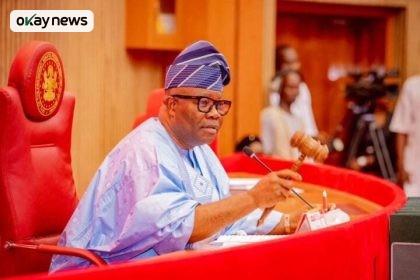
After rigorous clause-by-clause scrutiny, lawmakers opted to maintain the existing 7.5% Value Added Tax (VAT) rate, rejecting a proposed phased increase that had sparked widespread debate. The House of Representatives has passed pivotal amendments to President Bola Tinubu’s sweeping tax reform bills, addressing key public concerns and recalibrating the nation’s revenue framework, in a move poised to reshape Nigeria’s fiscal landscape.
“We heard the voices of Nigerians,” remarked a source close to the committee, reflecting the sentiment that guided the House’s decisions. “The economic climate is challenging, and imposing a sudden VAT hike could have exacerbated existing hardships.”
The decision underscores the delicate balance lawmakers sought to strike between revenue generation and economic stability. As a news writer, I’ve observed that these reforms are not merely about numbers; they are about the lived experiences of everyday Nigerians. When we talk about tax changes, we’re talking about the cost of groceries, the feasibility of small businesses, and the financial security of families.
One of the most significant adjustments involved the VAT distribution formula. The House adopted the Nigerian Governors’ Forum (NGF) proposal, allocating VAT revenue based on a 50% equality, 20% population, and 30% consumption model. This aims to ensure a fairer distribution of resources across states and local governments. As stated in the amended Section 77 of the Nigeria Tax Administration Bill, the net VAT revenue will be distributed with 10% to the Federal Government, 55% to State Governments and the Federal Capital Territory, and 35% to Local Governments.
Furthermore, the House addressed concerns surrounding inheritance tax. By amending Section 4 of the Nigeria Tax Bill, 2025, they clarified that income from inherited assets before distribution will not be taxed, allaying fears of an additional financial burden on bereaved families. This clarification is a crucial step towards fostering clarity and reducing anxiety within the public.
Read Also: Nigerian Governors Reject VAT Hike, Advocate for Equitable Distribution
“It was imperative for us to provide clear, unambiguous language,” stated James Abiodun Faleke, Chairman of the Committee on Finance, during the plenary session. “We needed to remove any potential for misinterpretation and ensure that our tax laws are fair and equitable.”
Another significant amendment was the restriction placed on the President’s and Governors’ powers to grant tax waivers. Now, such exemptions require approval from the National Assembly or State Houses of Assembly, enhancing transparency and accountability. Similarly, the Accountant-General of the Federation must seek legislative approval before deducting unremitted revenue from government agencies.
The House also approved the continued funding of essential agencies like TETFUND, NASENI, and NITDA from the development levies fund, acknowledging their vital role in national development. Additionally, military salaries were exempted from income tax, a gesture recognising the sacrifices of military personnel.
The lawmakers also imposed stringent penalties for those attempting to bribe or influence tax officials, including a two million naira fine and a maximum three-year jail term, signalling a strong stance against corruption.
The amendments reflect a nuanced approach to tax reform, balancing the need for increased revenue with the imperative to protect vulnerable populations and foster economic growth. As we move forward, the implementation of these reforms will be crucial in determining their ultimate impact. These changes are not just legal adjustments; they are a reflection of our collective effort to build a more equitable and prosperous Nigeria.