The International Monetary Fund (IMF) has intensified its call for “urgent reforms” in Senegal, following revelations of significant misreporting of economic data. This development has cast a spotlight on the nation’s fiscal stability, prompting the IMF to demand immediate action to streamline tax exemptions and phase out costly energy subsidies.
The IMF’s recent audit, triggered by concerns over the accuracy of economic figures reported by the previous administration of President Macky Sall, revealed a stark divergence from previously stated numbers. According to a report by Senegal’s Court of Auditors, the nation’s total outstanding debt at the end of 2023 reached a staggering 99.67% of gross domestic product (GDP), a significant leap from the earlier reported 74.41%.
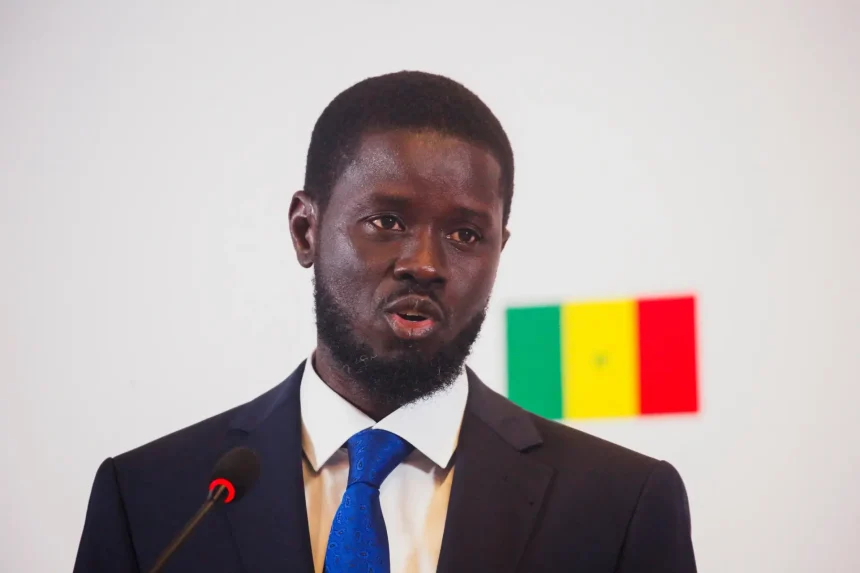
“These findings point to serious lapses in budget controls and public financial reporting, underscoring the need for urgent reforms,” stated Edward Gemayel, IMF mission chief, following discussions with President Bassirou Diomaye Faye and other key officials. This revelation has led the IMF to suspend its existing $1.8 billion credit facility, pending a thorough review of Senegal’s state finances.
The IMF’s primary concern revolves around the sustainability of Senegal’s debt trajectory. “Priority steps to bring down public debt include streamlining tax exemptions and phasing out costly, untargeted energy subsidies,” Gemayel emphasized. In essence, the IMF is urging Senegal to address the root causes of its fiscal imbalances, which have been exacerbated by inefficient spending and revenue collection practices.
Read Also: France Begins Senegal Military Base Handover, Regional Shift Continues
Finance Minister Cheikh Diba’s expressed hope for a new IMF program by June has been met with cautious reserve. Gemayel, in an interview with Reuters, clarified that a new program can only be considered once the misreporting issue is resolved. “We settle on the misreporting,” he reiterated in his official statement, emphasizing the need for transparency and accountability.
The implications of this fiscal misalignment are far-reaching. For everyday Senegalese citizens, this news may translate into potential economic hardship, as the government grapples with the need to implement austerity measures. The phasing out of energy subsidies, while necessary for long-term fiscal health, could lead to increased living costs, impacting vulnerable populations. I understand that the weight of these fiscal adjustments will be felt by many, and it is vital that the government implements these changes with a focus on protecting the most vulnerable.
Preliminary estimates indicate that the central government’s debt stood at 105.7% of GDP at the end of 2023, while real GDP growth was approximately 6%. Gemayel’s statement highlighted that, while growth remains positive, the debt burden poses a significant risk to the nation’s economic stability. “It’s too early to make that call,” he said regarding whether Senegal is heading for a credit event, such as a debt restructuring or default, but the situation requires careful monitoring.
The IMF mission’s ongoing investigation aims to uncover the circumstances surrounding the misreporting and to ensure that robust mechanisms are put in place to prevent similar occurrences in the future. The focus is not merely on rectifying past errors but also on building a resilient and transparent fiscal framework for Senegal’s future. The human angle here is profound, as the stability of the economy shapes the daily lives and future prospects of millions of Senegalese citizens. The need for a transparent and accountable government is paramount.