A Country of Particular Concern is a designation by the United States Secretary of State, under authority delegated by the President, of a country responsible for particularly severe violations of religious freedom under the International Religious Freedom Act of 1998 and its amendment of 1999. The designation allows the US government to impose sanctions or other policy measures on nations deemed to violate religious liberty.
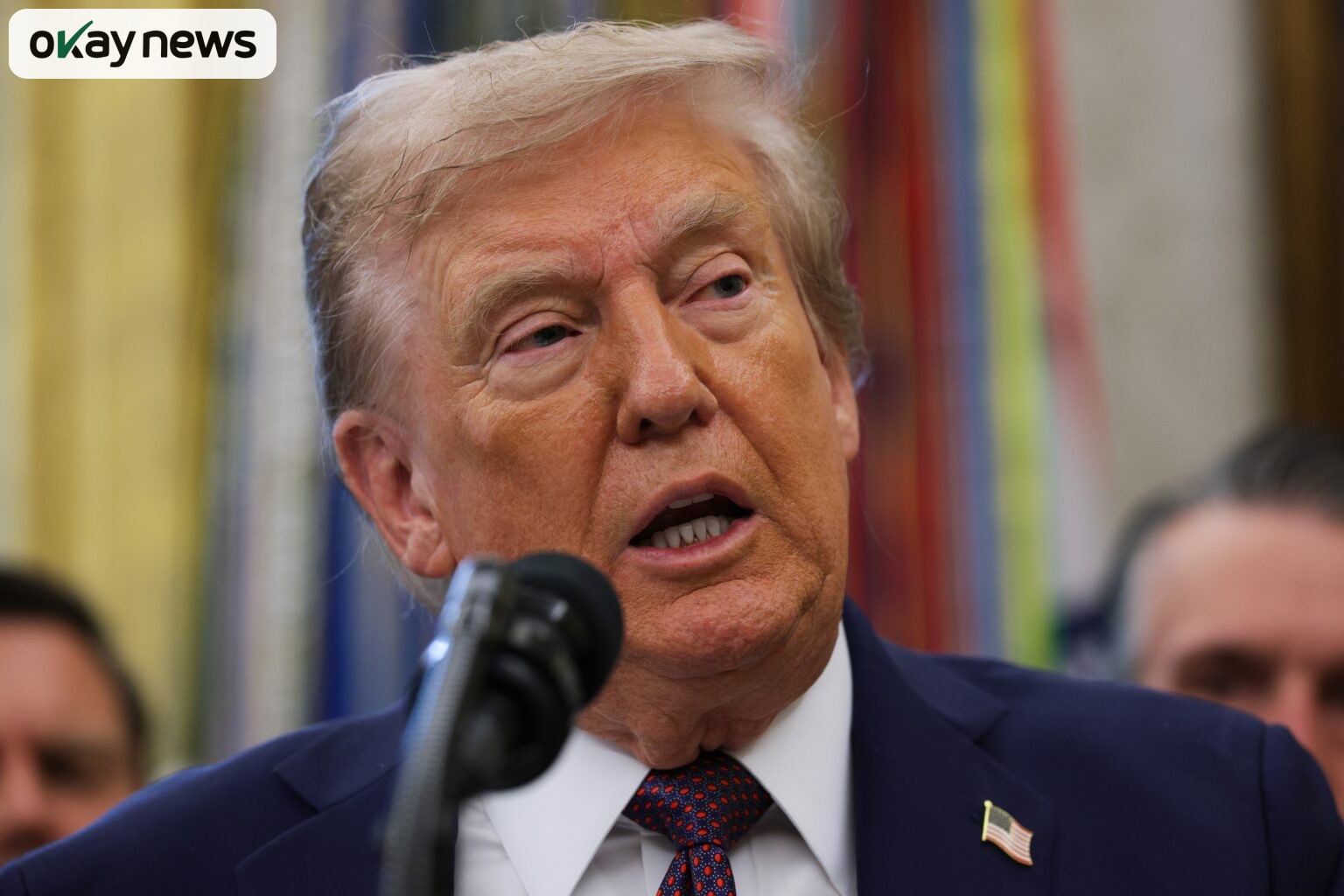
United States President Donald Trump has redesignated Nigeria a Country of Particular Concern, adding Africa’s most populous nation to a list of countries facing potential US sanctions over religious freedom violations. Trump’s announcement on Friday was in response to allegations of a Christian genocide in the West African country.
It is not the first time the US President has made such a move. In the last year of his first term as President in 2020, Nigeria was designated a CPC. However, the Joe Biden administration, which succeeded Trump, later removed Nigeria from the list.
Trump’s redesignation comes after months of pressure from US lawmakers asking the President and Marco Rubio, US Secretary of State, to make the move. The decision reflects growing concerns in Washington about religious violence in Nigeria, where clashes between predominantly Christian and Muslim communities have claimed thousands of lives.
When the US designates a state as a CPC, the US Congress is notified to impose non-economic policy options designed to bring about cessation of the particularly severe violations of religious freedom. Where these options have been exhausted, an economic measure follows.
Examples of both options could include strong diplomatic engagement and public condemnation, restricting or withdrawing development assistance, limiting or suspending security assistance, opposing loans at international financial institutions, or blocking export licenses. These measures are intended to pressure governments to improve religious freedom.
The most recent Countries of Particular Concern designations were made by the US Secretary of State on December 29, 2023, and include 12 countries across Asia, Africa, the Middle East, and Latin America. The list comprises Burma (also known as Myanmar), People’s Republic of China, Cuba, Eritrea, Iran, the Democratic People’s Republic of Korea (North Korea), Nicaragua, Pakistan, Russia, Saudi Arabia, Tajikistan, and Turkmenistan.
The inclusion of Saudi Arabia, a key US ally in the Middle East, demonstrates that the designation transcends geopolitical alignments and focuses specifically on religious freedom violations. Similarly, China and Russia, major global powers, have remained on the list despite their economic and strategic importance.
Nigeria’s addition to this list places the country alongside nations facing serious international scrutiny over human rights and religious liberty concerns. The designation could potentially affect US-Nigeria relations, particularly in areas of security cooperation and development assistance.
The International Religious Freedom Act authorises the US government to take action against countries that engage in or tolerate systematic, ongoing, and egregious violations of religious freedom. These violations include arbitrary detention, torture, or other severe abuses on account of religious belief.