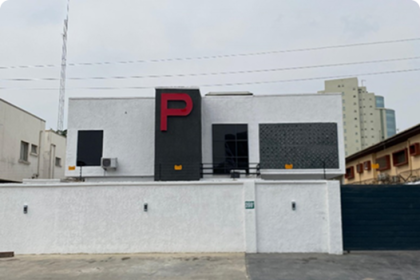
The Dangote Petroleum Refinery, the multi-billion-dollar private refining complex located in Lagos, Nigeria, has received its second-ever shipment of crude oil from the Republic of Ghana. This latest supply, identified as the Sankofa grade produced offshore Ghana by international partners in collaboration with the Ghana National Petroleum Corporation, arrived in November and represents a key shift in the refinery’s sourcing strategy as it plans significant maintenance operations.
According to refined industry shipment tracking data, the new delivery marks only the second time the refinery has drawn crude supplies from Ghana, signalling a growing interest in West African regional blending options. The refinery, which is Africa’s largest and one of the most sophisticated globally, continues to recalibrate its operations as it prepares for scheduled shutdowns affecting major production units.
Okay News reports that new industry figures show crude arrivals into the refinery averaged nearly three hundred and eighty thousand barrels per day between September and November, a notable drop of about thirty per cent compared to the peak volumes recorded during July and August. Analysts attribute this decline to operational adjustments as the refinery works to stabilise internal processes and prepare for extensive maintenance activity.
Industry intelligence firm Kpler explained the trend in a recent report, stating:
“In November, Dangote’s crude receipts consisted almost exclusively of Nigerian grades, predominantly Bonny Light, followed by Amenam, Forcados, Utapate, and Qua Iboe. Notably, the second-ever cargo from Ghana arrived as well, carrying Sankofa. Looking ahead, we expect Dangote’s crude slate to remain primarily domestic, supplemented by smaller volumes from other West African producers or the United States.”
The data further indicates that the refinery is undertaking crucial repairs. A significant portion of this activity centres on the Residue Fluid Catalytic Cracking unit, a vital component responsible for converting heavy oil fractions into high-value products. The unit entered a two-month shutdown period on December fourth, while a separate Crude Distillation Unit is set for a one-week outage in late January.
As these maintenance operations advance, the refinery has substantially reduced its purchases from European markets, especially from suppliers in the North Sea and the Mediterranean region. This has allowed an increased reliance on closer West African suppliers, which provide shorter transport distances and easier scheduling flexibility during periods of constrained production.
A section of the report highlighted that, “Crude imports into Nigeria’s Dangote refinery have fallen sharply from their highs over July and August. Arrivals averaged approximately three hundred and eighty thousand barrels per day over September to November, roughly one hundred and eighty thousand barrels per day (thirty per cent) below volumes purchased during the summer.”
The November supply portfolio, according to the report, was dominated by Nigeria’s Bonny Light grade, with Amenam, Forcados, Utapate, and Qua Iboe following closely. Sankofa, sourced from Ghana, remained the only non-Nigerian component.
Global energy watchers note that this pattern reflects the refinery’s growing preference for domestic and regional crude streams, which are more strategic during maintenance periods. Shorter voyage times and predictable schedules help reduce disruptions in output, particularly for products such as petrol, diesel, and aviation fuel.
The ripple effects of the refinery’s reduced crude processing have already begun to influence Nigeria’s downstream oil sector. With the Residue Fluid Catalytic Cracking unit expected to remain offline until February, petrol production could fall to nearly eighty thousand barrels per day, down from the recent range of one hundred thousand to one hundred and thirty thousand barrels per day. This reduction is likely to push up the country’s dependence on imported petrol.
The decline in local refining output has triggered a surge in Nigeria’s petrol imports from Europe. Observers say November imports doubled to roughly three hundred thousand barrels per day, the highest level in more than a year. Most supplies were sourced from the Netherlands and Belgium as European refiners adjusted production runs to meet Nigeria’s increasing demand.
The Kpler report added:
“Nigeria’s petrol imports surge to fourteen-month highs in November. The shutdown of the Crude Distillation Unit and Residue Fluid Catalytic Cracking units is expected to reduce Nigeria’s refinery runs from approximately four hundred and fifty thousand barrels per day in October to around three hundred and twenty to three hundred and fifty thousand barrels per day.”
The organisation further noted that a rebound in Nigeria’s refining output may occur after maintenance concludes, with expectations that operations could exceed five hundred thousand barrels per day by April 2026. It explained that lower crude intake “translates into lower product output, particularly petrol,” noting that demand has averaged three hundred thousand barrels per day while local production before the shutdown relied heavily on units other than the Residue Fluid Catalytic Cracking unit.
As concerns spread about possible scarcity during the festive season, the refinery moved quickly to assure citizens of stable supply. Aliko Dangote, the Nigerian industrialist and President of Dangote Industries Limited, announced that the refinery will supply one billion five hundred million litres of petrol monthly in December 2025 and January 2026. He said this is intended to provide uninterrupted fuel availability across Nigeria, especially during the Christmas and New Year travel peak.
Dangote stated, “In line with our commitment to national well-being, and consistent with our track record of ensuring a holiday season free of fuel scarcity, the Dangote Petroleum Refinery will supply one billion five hundred million litres of PMS to the Nigerian market this month. This represents fifty million litres per day. We are formally notifying the Nigerian Midstream and Downstream Petroleum Regulatory Authority of this commitment.”
He further added that the refinery planned to supply an additional one billion five hundred million litres in January and increase to one billion seven hundred million litres in February, translating to around sixty million litres per day.
The developments mark a pivotal moment for Nigeria’s domestic refining ambitions, as the country continues working to reduce reliance on imported petroleum products while strengthening long-term energy security across the West African region.