Approximately 15.2 million housing units in Nigeria do not meet basic standards of safety, durability, and habitability. The Federal Ministry of Housing and Urban Development released these findings from a comprehensive national assessment.
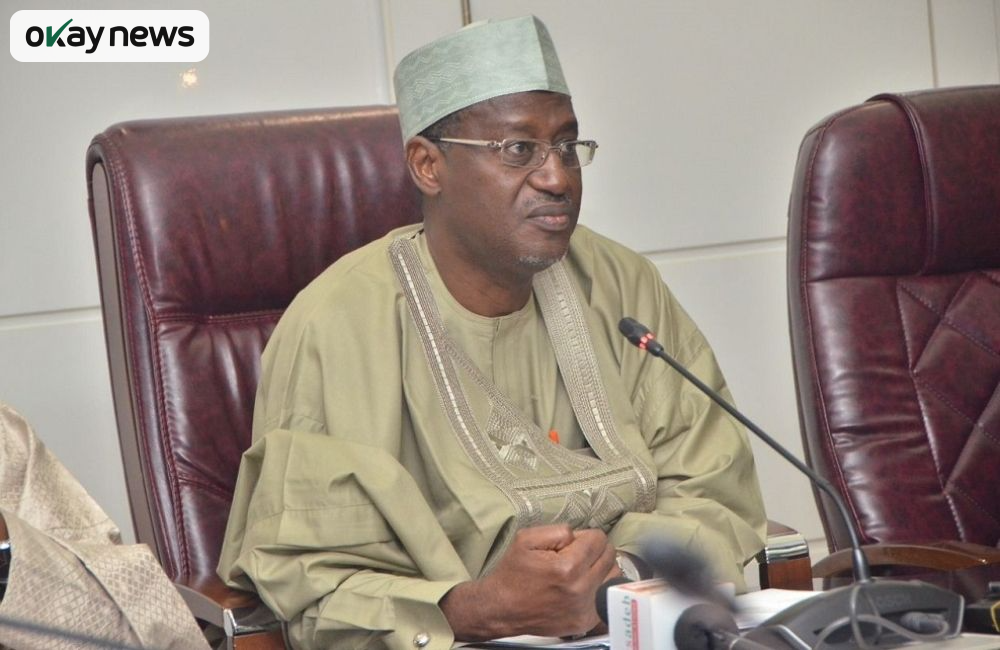
Okay News reports that Minister Arc. Ahmed Musa Dangiwa announced the data in an official statement. He highlighted that the issue affects existing homes lacking essential services.
The evaluation applied internationally recognized indices, including the Adequate Housing Index and Household Crowding Index. It drew on statistics from key national agencies.
Kano state registered the highest rates of inadequacy. Bayelsa state showed the lowest levels.
Dangiwa noted that the housing crisis involves both quantity and quality deficits. Addressing it demands upgrades to current stock alongside new construction.
“Beyond headline deficit figures, the application of harmonised and internationally recognised methodologies now allows us to state with clarity and confidence that Nigeria currently faces a housing inadequacy problem affecting approximately 15.2 million housing units nationwide,” Dangiwa stated.
“These findings clearly demonstrate that Nigeria’s housing challenge is not only about building new houses but equally about upgrading existing housing stock, regenerating deteriorated neighbourhoods, improving basic services and infrastructure, and ensuring dignity, safety, and adequacy in housing outcomes,” he added.
The ministry will establish a National Housing Data Centre by mid-January 2026. This facility will guide policies, investments, and financing decisions.
Current programmes feature large-scale cities and smaller estates under public-private partnerships. These initiatives target affordability and regional needs.
This evidence-based strategy improves urban planning and supports sustainable development in Nigeria’s housing sector.