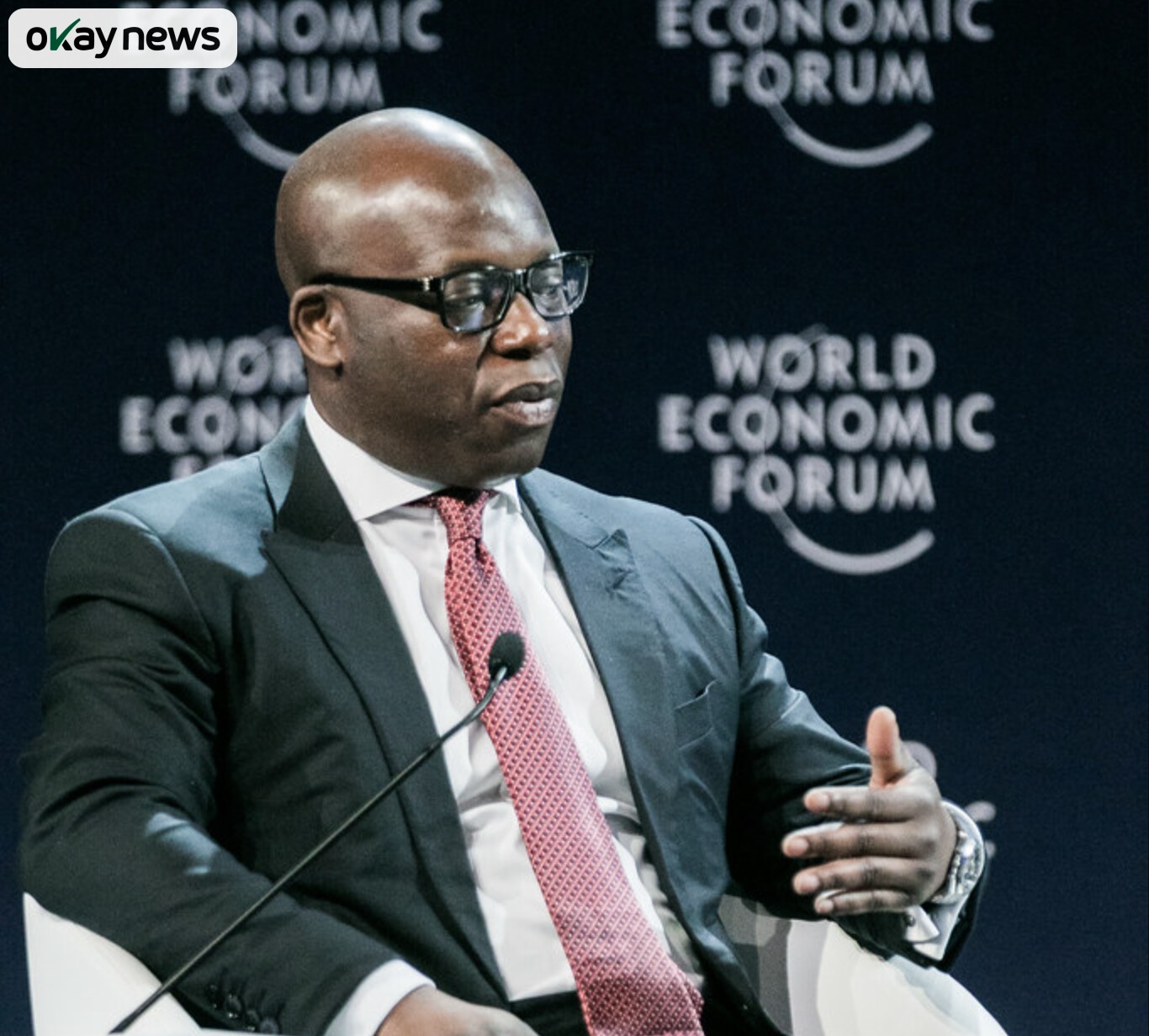
Wale Tinubu, Group Chief Executive Officer of Oando Plc, has projected that electric vehicles (EVs) could account for 50 percent of all vehicles in Nigeria within the next two decades, signalling a major shift in the country’s transport and energy landscape.
Tinubu made the remarks on Tuesday during an interview with journalists on the sidelines of the World Economic Forum (WEF) in Davos, Switzerland.
Drawing parallels with global trends, Tinubu said the economics of electric mobility are becoming increasingly compelling.
“China today, one in two cars being produced are electric, and electric cars are much cheaper to produce,” he said.
“And we have abundance of gas from the country, which basically means that we’ll eventually generate very cheap electricity.
“So I see a big movement from combustion vehicles to electric vehicles over the next 20 years in Nigeria, so definitely it’s going to happen.”
Okay News reports that Tinubu’s comments come amid growing global pressure to reduce carbon emissions and transition away from fossil fuel-dependent transport systems, with developing economies increasingly factoring into long-term EV adoption forecasts.
Beyond electric mobility, the Oando chief executive also addressed broader investor sentiment around Nigeria, insisting that the country remains fundamentally stable and open to business.
“What is most profound about Nigeria is the birth and the emergence of private capital and indigenous capital,” he said.
Tinubu argued that security challenges, while real, are often overstated internationally, noting that areas of instability represent less than two percent of Nigeria’s total landmass.
He further pointed to recent economic reforms by the current administration as evidence of a willingness to confront long-standing structural issues. According to him, decisions such as the removal of petrol subsidies and the liberalisation of the currency were difficult but necessary, with early signs that their impact is beginning to filter through the economy.