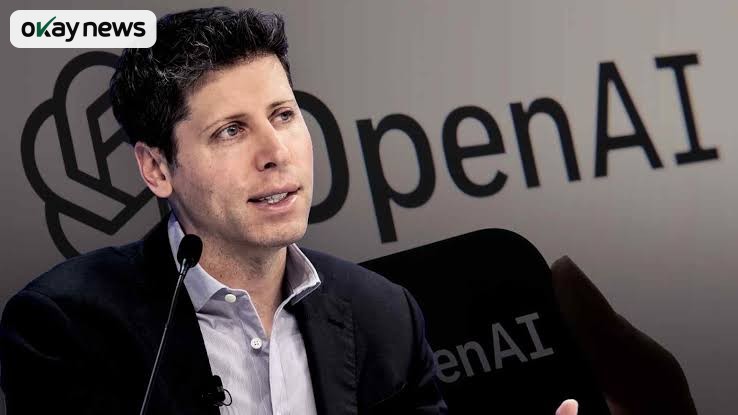
OpenAI Chief Executive Officer Sam Altman has revealed an ambitious roadmap for the upcoming month, noting a series of high-profile releases centered around the organization’s Codex programming model. The first of these updates is scheduled to arrive next week, marking the beginning of a month-long rollout intended to expand the capabilities of AI-driven software development and security.
The organization is reportedly on the verge of attaining the “Cybersecurity High” designation within its proprietary preparedness framework, a milestone that signals the development of models capable of identifying complex vulnerabilities.
Okay News reports that this transition follows months of internal testing aimed at managing the risks associated with “dual-use” technologies, which can serve both as powerful defensive assets and potential tools for exploitation.
In response to these advancements, OpenAI is moving to implement stringent product-level restrictions designed to thwart malicious activity. These initial safeguards are focused on preventing the misuse of coding models for cybercrime, specifically targeting attempts to bypass financial security systems or conduct unauthorized digital intrusions.
Altman has indicated that the company’s long-term vision involves a strategic shift toward “defensive acceleration” once sufficient empirical evidence is gathered. This approach prioritizes the use of artificial intelligence as a primary tool for security researchers to discover and patch software bugs rapidly, effectively staying ahead of potential attackers through automated resilience.
The CEO emphasized the critical necessity for the global community to adopt these advanced tools swiftly to fortify existing software infrastructures. With a surge of highly capable models expected to enter the market soon, the push for widespread integration is seen as a vital step in ensuring that defensive capabilities evolve at a pace equal to, or greater than, emerging digital threats.