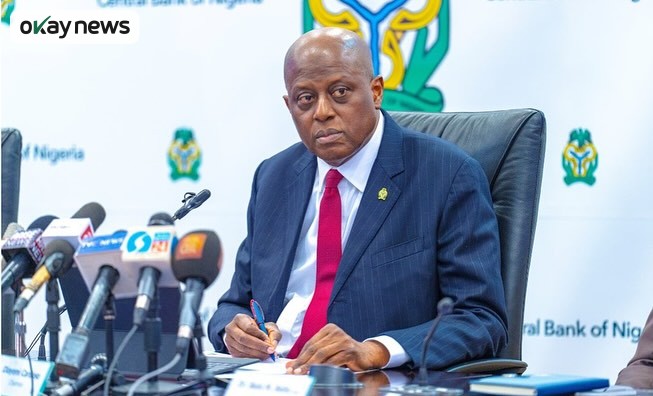
The Central Bank of Nigeria (CBN) has officially expanded the legal reach of several prominent digital banking platforms and microfinance institutions, transitioning them from regional operators to national entities. This regulatory shift recognizes the massive growth of these platforms and ensures that their legal status finally matches the actual scale of their operations across the country.
Okay News reports that the announcement was made by Yemi Solaja, the Director of the Other Financial Institutions Supervision Department at the CBN, during a recent industry conference in Lagos. He explained that the apex bank had observed a significant mismatch between the limited licenses many firms held and their physical presence in nearly every state of the federation.
Among the high-profile institutions affected by this upgrade are Moniepoint Microfinance Bank, Opay, and Kuda Bank. By granting these companies national licenses, the CBN aims to provide a more robust regulatory framework that protects the millions of Nigerians who now rely on digital-first platforms for their daily financial transactions.
A critical requirement of this new status is the mandate for these digital banks to maintain a physical presence in key areas. While these institutions primarily operate through mobile apps and vast networks of human agents, the regulator insists on physical branches to ensure that customers in the informal sector have a clear place to report issues or resolve complex disputes face-to-face.
The transition to a national license also brings much stricter financial obligations, including a significant increase in capital requirements. National microfinance banks are now required to maintain a minimum capital of N5 billion, up from the previous N2 billion, a move designed to ensure these institutions possess the financial strength to support their growing nationwide user bases.
Beyond mere oversight, the central bank is leveraging this reform to tackle the high volume of cash currently circulating outside the formal banking system. By formalizing these digital giants and encouraging them to work alongside traditional commercial banks, the regulator hopes to deepen financial inclusion and bring more citizens into the organized economy.
This policy shift follows a period of heightened scrutiny, including substantial penalties issued to major players in 2024 for failing to meet strict “Know Your Customer” (KYC) standards. The move toward national licensing signals the CBN’s commitment to a more disciplined financial landscape where innovation is balanced with rigorous consumer protection and security.