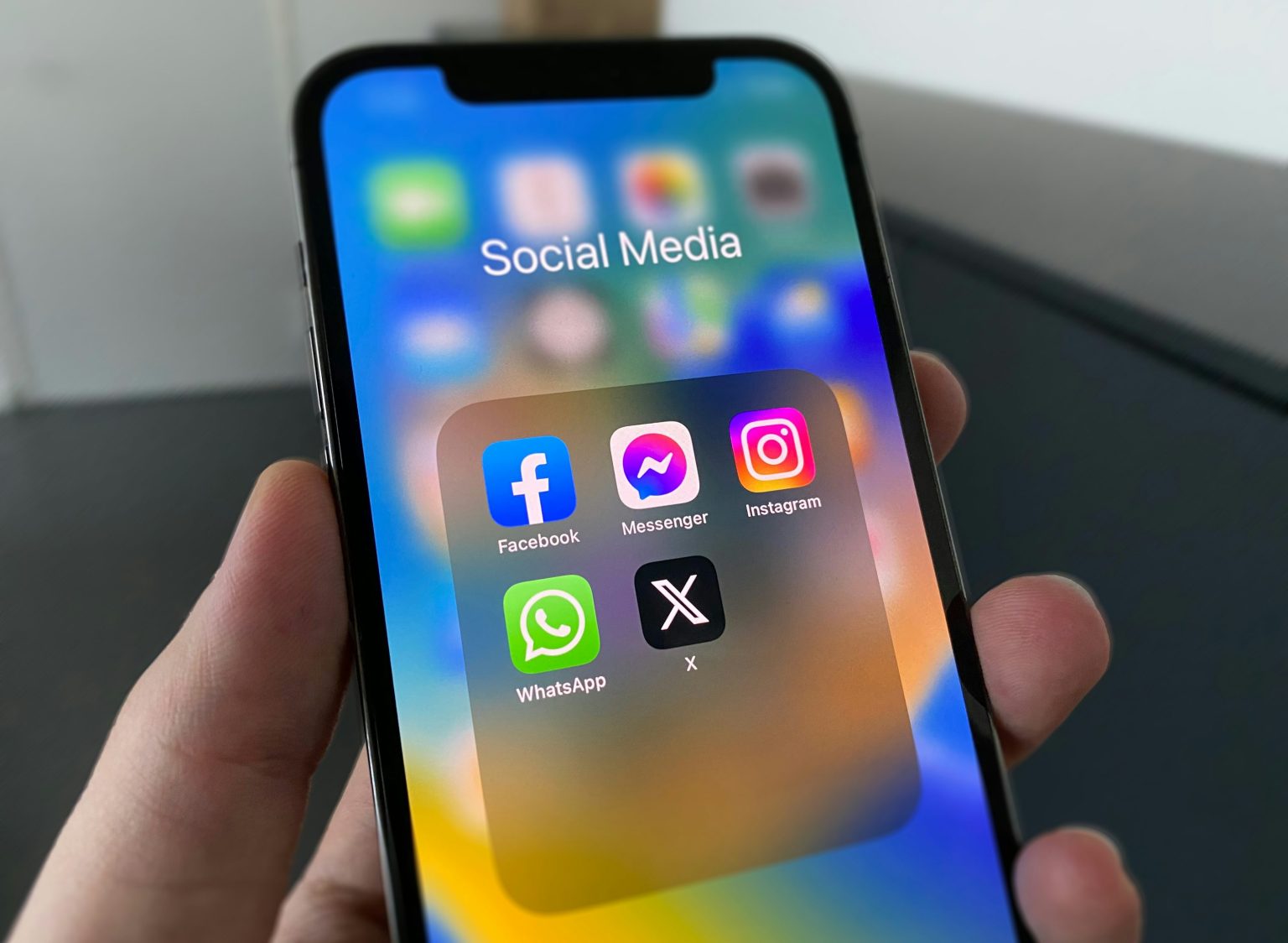
The French National Assembly has taken a decisive step toward restricting digital access for minors by voting in favor of a new law that prohibits children under the age of 15 from using social media platforms. The legislation, which passed with a significant majority of 130 to 21 votes on Monday night, aims to address mounting concerns over the psychological impact of digital algorithms and the prevalence of cyberbullying among young teenagers.
Okay News reports that the proposed ban is a cornerstone of President Emmanuel Macron’s broader strategy to safeguard the mental health and well-being of the youth. In a public address following the vote, the President emphasized that the emotional development of children should not be subject to manipulation by foreign platforms or unverified data-gathering systems, stating that the government intends to have the restrictions in place before the start of the next academic year in September.
Proponents of the bill argued that the “attention economy” practiced by major tech firms has led to a significant decline in sleep quality and reading habits among the youth. Legislators highlighted that setting a clear legal boundary is essential to treating social media as a potentially harmful environment for developing minds. By establishing a “digital age of consent” at 15, the government seeks to foster a healthier relationship between teenagers and technology.
Under the provisions of the new law, social media companies will be required to implement robust age-verification mechanisms that comply with European Union privacy standards. Furthermore, existing accounts belonging to users who fall under the age limit must be deactivated by December 31, 2026. This mandate places the burden of enforcement directly on the technology firms, requiring them to prove they have taken active steps to filter out underage users.
If the bill successfully passes through the Senate, France will become the second major nation to impose such strict age restrictions, following the lead of Australia, which recently barred children under 16 from similar platforms. The move has sparked a global conversation, with several other European nations, including the United Kingdom, Spain, and Greece, currently studying similar legislative frameworks to curb digital addiction and protect minors from harmful content.
In addition to the social media restrictions, the legislation includes an extension of current smartphone bans in schools, now covering students through the high school level. Despite potential challenges in technical enforcement, public opinion in France remains largely favorable. Recent polling indicates that approximately 73% of the population supports the ban, viewing it as a necessary response to what many health experts are calling a “digital health emergency.”