The Federal Government has officially discontinued the use of corporate tax credits to fund road construction, mandating that all future infrastructure projects must undergo the formal appropriation process through the national budget.
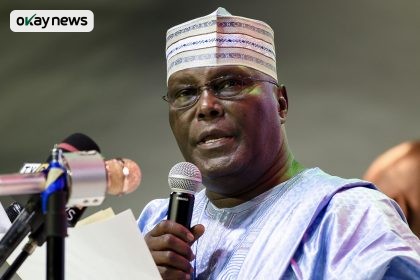
The Executive Chairman of the Nigeria Revenue Service (NRS), Mr. Zacch Adedeji, announced this policy shift, stating that while the previous Road Infrastructure Development and Refurbishment Investment Tax Credit Scheme was well-intentioned, it conflicted with constitutional mandates requiring legislative approval for all public spending.
Okay News reports that Adedeji clarified the role of the revenue agency is strictly to assess, collect, and account for taxes, not to appropriate funds, which is the constitutional duty of the Federation Account Allocation Committee (FAAC).
He explained that allowing companies to offset tax payments by building roads amounted to spending public money without proper parliamentary oversight, a practice that has now been stopped to ensure all infrastructure spending complies with financial regulations.
The discontinuation follows the Nigerian National Petroleum Company (NNPC) Limited’s withdrawal from the scheme in 2025, which left approximately N3 trillion worth of ongoing road projects, covering over 1,800 kilometers, without immediate funding. Major corporations like Dangote Group, BUA Group, and MTN Nigeria had previously participated, financing critical routes including the Bodo-Bonny Road and the Enugu-Onitsha Expressway under the now-defunct initiative.
Moving forward, the Federal Government will rely on centrally budgeted allocations for road projects and is exploring Public-Private Partnership (PPP) models to complete the unfinished initiatives. This policy change marks a significant return to orthodox fiscal governance, prioritizing constitutional compliance and centralized budget control over alternative financing mechanisms that bypass legislative scrutiny.