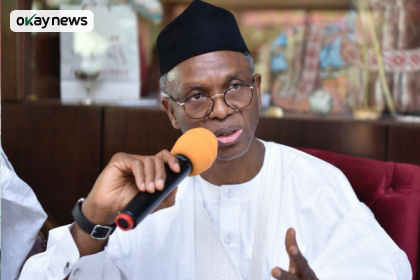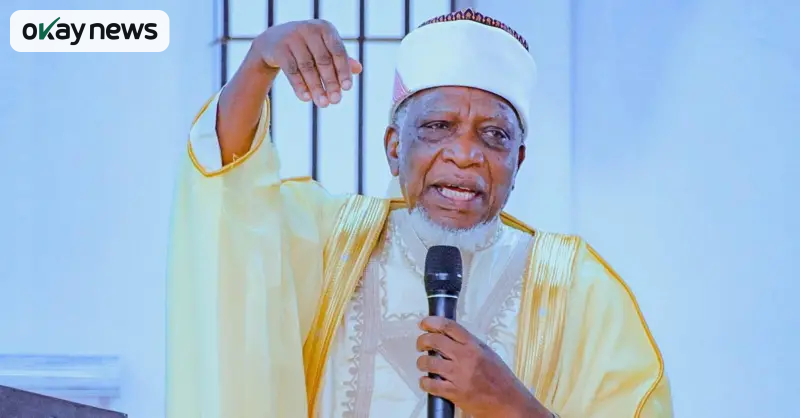
Jos, Nigeria – A leading Islamic organisation in Nigeria has publicly rejected the appointment of Professor Joash Ojo Amupitan as chairman of the Independent National Electoral Commission (INEC), warning that the decision poses serious risks to the country’s electoral credibility. The stance was announced by Sheikh Sani Yahaya Jingir, national chairman of the Council of Ulama of Jama’atu Izalatil Bid’ah Wa’ikamatis Sunnah (JIBWIS), one of Nigeria’s most influential Islamic movements.
Sheikh Jingir said the group considers the appointment unacceptable given the sensitive role INEC plays in organising elections in Africa’s most populous nation. He spoke at the conclusion of JIBWIS’s 33rd annual national seminar, a three-day event held in Jos, the capital of Plateau State in north-central Nigeria, where religious leaders and scholars gathered to discuss national and social issues.
Okay News reports that opposition to Amupitan’s appointment is rooted in past legal writings attributed to him, which critics say appeared to justify claims of widespread violence against Christians in Nigeria. JIBWIS leaders argue that such positions raise questions about impartiality and could undermine public confidence in INEC, which is constitutionally mandated to act as a neutral electoral umpire during elections.
The cleric alleged that Professor Amupitan had previously made statements critical of Muslim communities and prominent Islamic figures, including historic religious leader Sheikh Usman Dan Fodio. On this basis, Jingir said Muslims across the country were rejecting the appointment and questioned why the National Assembly, which has oversight responsibilities, had not intervened to address the controversy.
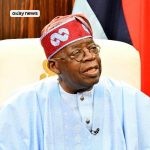
Nigeria’s federal government, led by President Bola Tinubu, has repeatedly denied allegations that the appointment was motivated by religious or political bias. However, critics note that authorities have so far remained silent on calls for Amupitan’s removal, further fuelling debate around the issue. Jingir argued that appointing someone perceived as divisive to head INEC could deepen mistrust at a time when Nigeria is grappling with electoral reforms and preparations for future polls.
The dispute reflects broader tensions around religion, governance, and electoral integrity in Nigeria, where elections are often closely contested and deeply scrutinised. As pressure mounts from religious groups and civil society, attention is now focused on whether lawmakers or the executive branch will formally respond to the objections or allow the appointment to stand.